How A&E Triage Works: What Happens When You Arrive at the Emergency Department
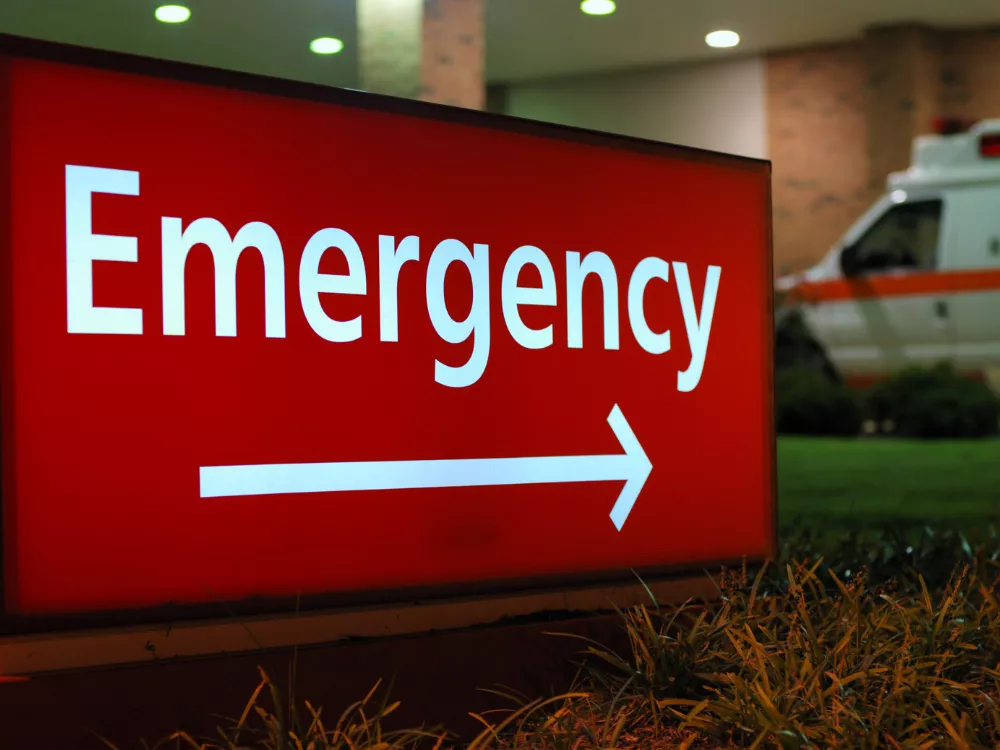
When you arrive at our Emergency Department (ED) at Prince Court Medical Centre, your safety becomes our top priority. Every patient is assessed through a structured triage system, a proven method used worldwide to determine how urgently medical attention is needed. This ensures that those in critical condition are treated immediately, while others receive care in a safe and timely manner based on their needs.
Upon Arrival at the Emergency Department
Upon arrival at the Accident & Emergency (A&E), a trained triage nurse will assess your symptoms, vital signs, and overall condition before categorising you into one of five levels of priority.
This initial assessment allows our team to categorise patients by illness or injury severity, rather than by arrival order.
This system helps us deliver care efficiently, minimise waiting time for urgent cases, and maintain a steady, safe flow of patients throughout the department.
5-Level Triage System
At Prince Court, we follow an internationally recognised 5-level triage system to ensure accurate and consistent prioritisation:
RED ZONE
Critical, seen immediately (0-5 minutes)
Patients in life-threatening conditions who need immediate resuscitation and emergency treatment
Examples: Cardiac arrest, severe respiratory distress, extensive burns, unresponsive trauma patient, near-drowning, hypotension with signs of shock
YELLOW ZONE
Semi-critical/high risk, seen within 15 minutes
Patients who are seriously ill or injured but stable enough to wait for a short period before treatment
Examples: Acute abdomen pain, open fractures of upper limbs (arms and hands), altered conscious level but not comatose, spine injuries, fever >40oC
GREEN ZONE
These are further categorised for clarity:
Sub-category G1
Non-critical cases that still require timely attention, seen in 30 minutes
Examples: Mild asthma, diarrhoea and/or vomiting with dehydration, mild abdominal pain
Sub-category G2
Stable patients who may safely wait a little longer, seen in 60 minutes
Examples: Minor allergic reaction, minor burns, acute infective eye conditions, fever >38oC for adults
Sub-category G3
Minor conditions suitable for outpatient management, seen in 90 minutes
Examples: Sore throat - no respiratory symptoms, simple upper respiratory tract infection in adults, wound dressing and opening stitches, nail prick
Why Waiting Time Varies
Because patients are attended to based on medical urgency, waiting times may differ. While we understand that waiting can be stressful, this system ensures that those who need urgent care most receive it without delay.
During your wait, our nursing and medical teams will continue to monitor your condition. If your symptoms change, please inform our staff; your triage level may be adjusted accordingly to ensure you receive the appropriate care.
Your Safety, Our Commitment
Prince Court’s Accident & Emergency Services is open 24 hours a day, 7 days a week, led by experienced emergency physicians, nurses, and specialists who work together to provide rapid assessments, advanced diagnostics, and comprehensive treatment when every second counts.
If you or someone you know is experiencing a medical emergency, call +603 2160 0999 for Prince Court’s fast-response ambulance emergency number or head immediately to Prince Court’s A&E for urgent medical attention. Remember, timely care can make all the difference.