ACL Tear Symptoms, Diagnosis, and When Surgery Is Needed
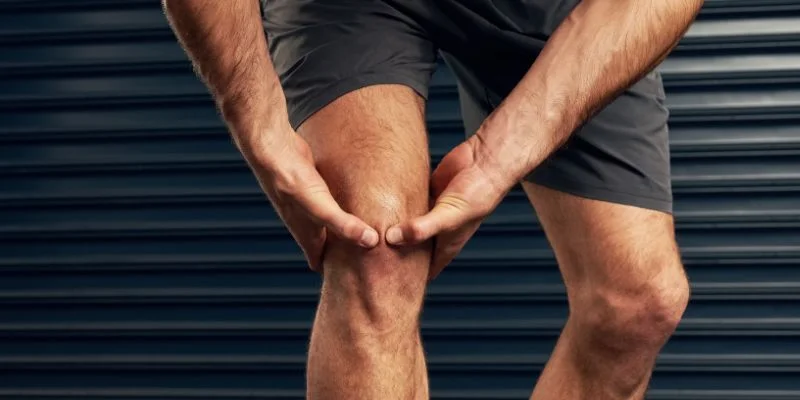
The knee is one of the most complex joints in the human body, designed to support weight, allow mobility, and withstand considerable stress during physical activity. The knee joint is stabilised by ligaments that connect the femur (thighbone) to the tibia (shin bone).
The anterior cruciate ligament or ACL, located in the centre of the knee joint, prevents the tibia from sliding forward and controls rotational movement. Because of its critical stabilising function, an ACL injury can significantly affect daily activities, sports participation, and long-term knee health.
How Does an ACL Injury Occur?
An anterior cruciate ligament (ACL) injury, commonly referred to as an ACL tear, is one of the most frequent knee injuries, particularly among athletes and physically active individuals. ACL injuries often occur suddenly during movements that place high strain on the knee, such as abrupt stopping, pivoting or twisting, and jumping or landing awkwardly. These injuries can occur with or without direct contact and often happen during sports.
Symptoms of an ACL Injury
Symptoms usually appear immediately after an ACL injury and may include:
Sudden, sharp pain in the knee
Rapid swelling
A popping or snapping sensation at the time of injury
Reduced or restricted range of motion
Knee instability or a feeling that the knee may “give way”
Difficulty bearing weight, limping, or trouble walking
Risk Factors for ACL Injury
Several factors can increase the risk of an ACL tear:
Gender: Women are at higher risk, likely due to differences in anatomy, muscle strength, and biomechanics.
Type of sport: Sports involving pivoting, jumping, or sudden directional changes (e.g. football, basketball, netball, tennis, gymnastics) place greater stress on the ACL.
Previous injury or trauma: A history of ACL injury or traumatic incidents such as falls or motor vehicle accidents increases susceptibility.
How Orthopaedic Specialists Diagnose an ACL Injury
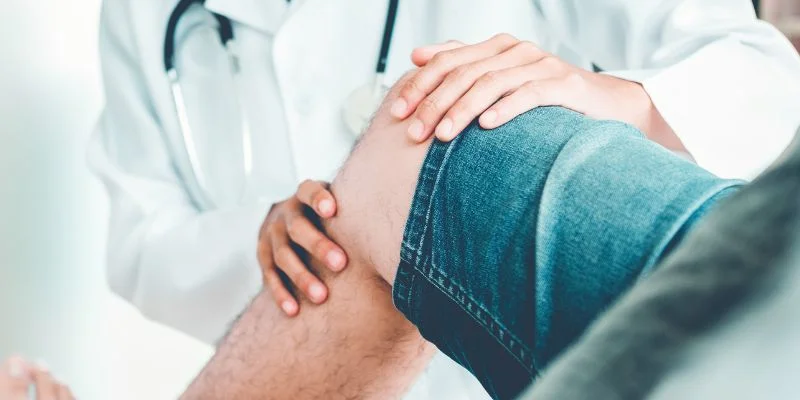
Diagnosis involves a combination of clinical assessment and imaging. Your doctor will assess symptoms, injury mechanism, and medical history, followed by a physical examination to evaluate knee swelling, stability, and movement.
Specific clinical tests, such as the Lachman test or anterior drawer test, help determine whether the ACL is torn.
Imaging studies may include:
X-ray: To rule out fractures or bone injury.
Magnetic Resonance Imaging (MRI): The gold standard for confirming ACL tears and identifying associated injuries (e.g. meniscus damage).
Ultrasound: Occasionally used as an adjunct to assess soft tissue structures.
How Orthopaedic Specialists Treat an ACL Injury
Treatment aims to restore knee stability, reduce pain, and allow safe return to activity. Management depends on injury severity, activity level, and long-term goals.
Non-surgical Treatment
Initial management often includes the R.I.C.E. approach:
Rest: Avoid activities that strain the knee.
Ice: Apply cold packs to reduce pain and swelling.
Compression: Use bandages or knee braces to support the joint.
Elevation: Keep the leg raised to minimise swelling.
Physiotherapy then focuses on restoring knee mobility, strengthening surrounding muscles, and improving stability.
ACL Reconstruction Surgery
ACL reconstruction surgery may be recommended for complete tears, persistent instability, or individuals wishing to return to high-level physical activity. ACL reconstruction is typically performed using minimally invasive arthroscopic (keyhole) surgery.
Under general anaesthesia, the surgeon makes small incisions, inserts a tiny camera, removes the damaged ligament, and replaces it with a tendon graft taken from your own knee or from a donor. Over time, the graft integrates to form a new ligament.
What to Expect After an ACL Surgery
Most patients can return home on the same day. Pain and swelling can be managed with prescribed medications, ice packs, and leg elevation. Rehabilitation is essential and begins shortly after surgery. Physiotherapy helps regain mobility, rebuild strength, and restore proper movement patterns.
Full recovery often takes around 8 to 12 months following surgery, though this varies by individual. Athletes may need additional time before safely returning to competitive sports to reduce the risk of reinjury.
When to See an Orthopaedic Specialist at Prince Court Medical Centre
If you experience knee pain, instability, swelling, or difficulty walking after an injury, early evaluation is important.
At Prince Court Medical Centre, our experienced orthopaedic specialists work closely with rehabilitation and physiotherapy teams to provide accurate diagnosis, personalised treatment plans, surgical and non-surgical care, and structured rehabilitation programmes.
Book a consultation today for expert assessment and a comprehensive recovery plan tailored to your needs.