Colonoscopy: What It Detects, When You Need It and What to Expect
What Is a Colonoscopy?
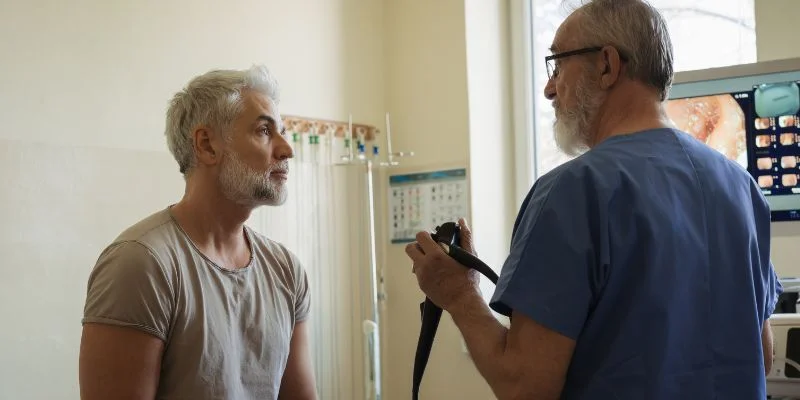
A colonoscopy is a medical procedure used to examine the large intestine (colon) and rectum using a thin, flexible tube equipped with a camera, known as a colonoscope.
It is one of the most effective tools for detecting abnormalities in the colon, including early signs of colorectal cancer. In many cases, it allows doctors to both diagnose and treat certain conditions during the same procedure.
What Conditions Can a Colonoscopy Detect?
Colonoscopy is commonly used to detect and evaluate a range of conditions affecting the colon, including:
Colorectal cancer
Polyps (growths that may develop into cancer over time)
Inflammatory bowel diseases such as Crohn’s disease and ulcerative colitis
Sources of gastrointestinal bleeding
Changes in bowel lining or structure
Early detection is important, as many of these conditions may not cause noticeable symptoms in their early stages.
What Symptoms May Indicate You Need a Colonoscopy?
Your doctor may recommend a colonoscopy if you experience symptoms such as:
Blood in the stool
Persistent abdominal pain or discomfort
Changes in bowel habits (such as diarrhoea or constipation)
Unexplained weight loss
Ongoing bloating or a feeling of incomplete bowel emptying
These symptoms do not always indicate serious disease, but they should be evaluated to rule out underlying conditions.
Who Should Consider a Colonoscopy?
Colonoscopy is commonly recommended for both screening and diagnostic purposes.
You may be advised to undergo a colonoscopy if you:
Are aged 50 and above (earlier in some individuals based on guidelines)
Have a family history of colorectal cancer or polyps
Have a personal history of inflammatory bowel disease
Have previously had polyps detected
Have ongoing gastrointestinal symptoms
Your doctor may recommend earlier or more frequent screening based on your individual risk factors.
What Are the Benefits of Colonoscopy?
Colonoscopy offers several important benefits:
Early detection of colorectal cancer before symptoms appear
Removal of polyps during the procedure, reducing cancer risk
Accurate diagnosis of bowel conditions
A comprehensive view of the entire colon
This makes colonoscopy both a diagnostic and preventive tool, which is unique among many medical procedures.
How Is a Colonoscopy Performed?
During a colonoscopy, a colonoscope is gently inserted through the rectum and guided through the colon. The camera provides detailed images of the inner lining of the bowel.
The procedure is usually performed under sedation to ensure comfort and typically takes between 20 and 45 minutes.
If polyps or abnormal tissue are found, they can often be removed or biopsied during the same procedure.
What Should You Expect Before and After a Colonoscopy?
Before the Procedure
Preparation involves clearing the bowel so the doctor can see the colon clearly. This usually includes:
Your doctor will provide detailed instructions prior to the procedure.
After the Procedure
Most patients can return home the same day. You may experience mild bloating or gas, which typically resolves within a few hours. If sedation was used, you should avoid driving or operating machinery for the rest of the day.
Is Colonoscopy Safe?
Colonoscopy is generally a safe procedure when performed by experienced specialists. Complications such as bleeding, infection, or perforation are rare. Your doctor will discuss any potential risks and benefits with you before the procedure.
When to See a Gastroenterologist for Colonoscopy at Prince Court Medical Centre
If you are due for colorectal cancer screening or experiencing persistent digestive symptoms, it is important to seek medical evaluation.
At Prince Court Medical Centre, our gastroenterology specialists provide advanced colonoscopy services for early detection, accurate diagnosis, and prevention of colorectal conditions.
Book an appointment today to take a proactive step towards protecting your digestive health.