Endoscopy Explained: What It Is, Types and What to Expect
What Is Endoscopy and Why Is It Performed?
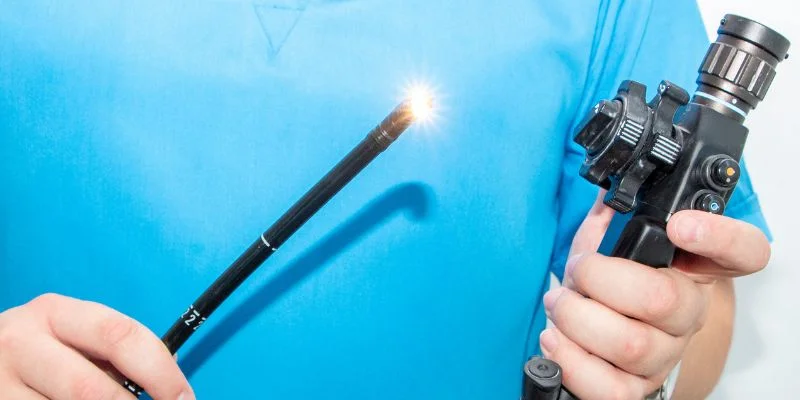
Endoscopy is a minimally invasive procedure that allows doctors to examine the inside of the body using a thin, flexible tube equipped with a light and camera. This instrument, known as an endoscope, provides real-time images of internal organs without the need for large surgical incisions.
Endoscopy is commonly used to investigate symptoms such as persistent abdominal pain, indigestion, unexplained bleeding, or changes in bowel habits. It also plays an important role in detecting and evaluating conditions affecting the digestive system, including inflammation, ulcers, and cancers.
What Are the Different Types of Endoscopy?
There are several types of endoscopy, each designed to examine different parts of the body.
Gastroscopy (also known as upper endoscopy): Examines the oesophagus, stomach, and duodenum
Endoscopic ultrasound (EUS): Combines endoscopy with ultrasound to assess deeper tissues and nearby organs
Colonoscopy: Examines the colon and rectum
Your doctor will recommend the most appropriate type of endoscopy based on your symptoms and medical needs.
What Is a Gastroscopy (Upper Endoscopy) and How Is It Performed?
Gastroscopy, also known as upper endoscopy, is a procedure used to examine the upper gastrointestinal tract, including the oesophagus, stomach, and the first part of the small intestine (duodenum).
Procedure
During a gastroscopy, a thin and flexible endoscope is gently passed through the mouth and into the upper digestive tract. A small camera at the tip transmits detailed images to a monitor, allowing the doctor to examine the lining of the digestive system.
Uses
Gastroscopy is commonly used to investigate:
It can help diagnose conditions such as gastritis, ulcers, acid reflux disease, and upper gastrointestinal cancers.
Benefits
Gastroscopy is minimally invasive and typically takes 20 to 30 minutes. Most patients recover quickly and can resume normal activities shortly after the procedure.
How is Endoscopic Ultrasound (EUS) Used in Diagnosis?
Endoscopic ultrasound (EUS) combines endoscopy with ultrasound imaging to produce detailed images of the digestive tract and surrounding organs.
Procedure
An endoscope equipped with a specialised ultrasound probe is inserted into the digestive tract. This allows doctors to visualise deeper tissue layers and nearby organs such as the pancreas, liver, and bile ducts.
Uses
EUS is particularly useful for:
Diagnosing pancreatic conditions
Evaluating liver and bile duct disorders
Assessing lymph nodes and abnormal growths
Benefits
EUS improves diagnostic accuracy by providing detailed images that are not visible with standard endoscopy. It also allows doctors to obtain tissue samples (biopsies) when needed.
What Should You Expect Before, During and After Endoscopy?
Preparation and recovery may vary depending on the specific procedure, but several general steps apply to most endoscopic examinations.
Before the Procedure
Patients are typically advised to fast for 6 to 8 hours before the procedure to ensure optimal visualisation. Your doctor will also review your medications and advise if any need to be temporarily adjusted.
During the Procedure
Endoscopy is usually performed under sedation or local anaesthesia to ensure comfort. The specialist gently inserts the endoscope through the mouth (or rectum, depending on the type of procedure) and evaluates the area of concern.
After the Procedure
Most patients recover quickly and can return home the same day. Some individuals may experience mild bloating, gas, or a sore throat, but these symptoms typically resolve within a short time. If sedation was used, patients may be observed briefly before discharge.
Endoscopy FAQs
Is endoscopy safe?
Endoscopy is generally safe when performed by trained specialists. Complications such as bleeding or infection are rare.
Can I eat or drink before the procedure?
Most patients are advised to avoid eating or drinking for at least 6 to 8 hours before the procedure.
How long does recovery take?
Recovery time is usually short, and most patients resume normal activities within 24 hours.
Can endoscopy detect cancer?
Yes. Endoscopy can detect early signs of cancer, and biopsies can be performed for further analysis if needed.
When to See a Gastroenterologist at Prince Court Medical Centre
If you are experiencing persistent digestive symptoms such as abdominal pain, difficulty swallowing, or unexplained bleeding, it is important to seek medical evaluation.
At Prince Court Medical Centre, our gastroenterology specialists provide comprehensive endoscopic assessment using advanced technology to support early and accurate diagnosis.
Book an appointment today to take a proactive step towards protecting your digestive health.