Gallbladder Pain or Indigestion? How to Tell If It Could Be Gallstones
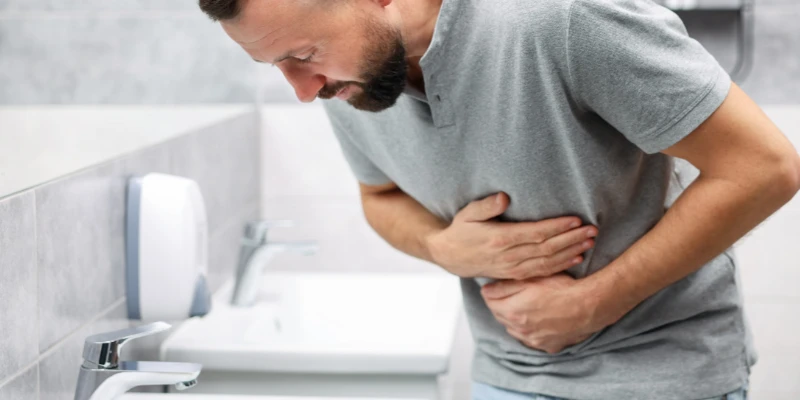
Many people experience indigestion or abdominal pain at some point in life. However, it can sometimes be difficult to determine whether the discomfort is simply indigestion (dyspepsia) or something more serious.
Upper abdominal pain is often mistaken for indigestion, but in some cases it may be a warning sign of gallstones, also known locally as batu hempedu. Understanding the difference between gallbladder pain and indigestion can help you recognise gallstone symptoms early and seek medical care before complications develop.
What Are Gallstones?
Gallstones are hardened deposits that form inside the gallbladder, a small pear-shaped organ located beneath the liver. The gallbladder stores bile, a digestive fluid that helps break down fats during digestion.
Gallstones form when substances in bile become imbalanced and crystallise into solid particles. There are two main types of gallstones:
Cholesterol gallstones: These are the most common type and form when bile contains too much cholesterol that cannot dissolve properly.
Pigment gallstones: These stones develop when bile contains excessive bilirubin, a waste product formed when old red blood cells break down.
Gallstones may remain silent for years. However, when they block the bile ducts, they can cause severe gallbladder pain and digestive symptoms.
What Causes Gallstones?
The exact causes of gallstones are not always clear. Gallstones usually develop due to a combination of genetic factors and lifestyle influences that affect how bile is produced and stored.
Several risk factors can increase the likelihood of developing gallstones:
Age: Gallstones tend to develop gradually and become more common with increasing age.
Gender: Women are more likely than men to develop gallstones because hormonal changes can affect cholesterol levels and gallbladder function.
Weight changes: Rapid weight loss or high body fat can increase cholesterol levels in bile, which may contribute to gallstone formation.
Family history: People with a family history of gallstones may have a higher risk of developing the condition.
Where Is Gallbladder Pain Located?
Gallbladder pain usually occurs in the upper right abdomen, just below the rib cage. However, the pain may also spread to other areas, including the right shoulder, the upper back, the middle of the abdomen, and the chest.
Gallbladder pain typically occurs when a gallstone blocks part of the bile duct. When the gallbladder contracts during digestion, especially after eating fatty foods, pressure builds up in the blocked bile duct and causes pain.
What Does a Gallbladder Attack Feel Like?
A gallbladder attack, also known as biliary colic, can cause sudden and severe pain. Typical gallstone symptoms during an attack include:
Sudden intense pain in the upper right abdomen
Pain that begins after eating fatty meals
Pain lasting from 30 minutes to several hours
Nausea and vomiting
Fever or chills
Yellowing of the skin or eyes (jaundice)
Dark urine or pale stools
Unlike indigestion, gallbladder pain is usually constant and severe and does not improve with movement or changes in posture.
Gallstone Symptoms: How Do They Differ from Indigestion (Dyspepsia)?
So how do I know if my pain is gallstones or indigestion?
Gallstone symptoms and indigestion (dyspepsia) can sometimes feel similar, but there are several key differences.
Feature
Gallstones
Indigestion
Sensation
Sharp, intense pain
Burning discomfort
Location
Upper right abdomen
Upper middle abdomen
Trigger
Often after fatty meals
Often after overeating
Additional symptoms
Nausea, vomiting, fever, jaundice
Bloating, burping, fullness, bitter taste
If pain is severe, persistent, or accompanied by fever or jaundice, it may indicate gallstones rather than simple indigestion.
Can Gallstones Go Away on Their Own?
A frequently asked question is can gallstones go away on their own?
In most cases, gallstones do not dissolve naturally and remain in the gallbladder unless treated. However, if gallstones do not cause symptoms, treatment may not be necessary. Doctors often recommend monitoring the condition and seeking medical attention if symptoms develop.
Treatment decisions are usually based on the presence of symptoms, the size and number of gallstones, and evidence of complications.
When Gallstones Become Dangerous: Complications to Watch For
Gallstones can lead to serious complications if they block the bile ducts or cause infection. These conditions require urgent medical treatment:
Acute cholecystitis: Inflammation of the gallbladder that causes severe pain and fever
Cholangitis: Infection of the bile ducts that can become life-threatening if untreated
Gallstone pancreatitis: Inflammation of the pancreas caused by gallstones blocking the pancreatic duct
Other potential complications include jaundice, hepatitis, and septicaemia (bloodstream infection).
How Are Gallstones Diagnosed?
Doctors use several diagnostic tests to confirm gallstones and identify possible complications.
The most common first test is an abdominal ultrasound, which can detect gallstones and inflammation in the gallbladder.
Additional diagnostic tests may include:
Endoscopic ultrasound (EUS)
Oral cholecystography
Hepatobiliary iminodiacetic acid (HIDA) scan
CT scan
Magnetic resonance cholangiopancreatography (MRCP)
Endoscopic retrograde cholangiopancreatography (ERCP)
These imaging tests help doctors determine whether gallstones are blocking the bile ducts or affecting nearby organs.
When Is ERCP Needed for Gallstones?
Endoscopic retrograde cholangiopancreatography (ERCP) is a specialised procedure used to diagnose and treat problems in the bile ducts.
During ERCP, a flexible endoscope is inserted through the mouth into the small intestine. A contrast dye is injected into the bile ducts so they can be visualised using X-ray imaging.
ERCP may be recommended when doctors suspect gallstones blocking the bile ducts, bile duct infections, narrowing of the bile ducts, or tumours affecting the liver, pancreas, or bile ducts.
ERCP can also be used to remove gallstones lodged in the bile ducts, making it both a diagnostic and therapeutic procedure.
How Are Gallstones Treated?
Gallstone treatment depends on the severity of symptoms and whether complications are present. If gallstones do not cause symptoms, treatment may not be necessary. Doctors may recommend monitoring the condition and watching for warning signs.
For symptomatic gallstones, treatment options include:
Gallbladder removal (cholecystectomy)
The most common procedure is laparoscopic cholecystectomy, a minimally invasive surgery that removes the gallbladder using small incisions and a tiny camera. It is the most common and effective treatment because gallstones often recur. After surgery, bile flows directly from the liver to the small intestine. Most people can live normally without a gallbladder.
Medications to dissolve gallstones
Certain oral medications may dissolve gallstones, but treatment can take months or years and gallstones may return after treatment stops. These medications are usually reserved for patients who cannot undergo surgery.
When to See a Gastroenterologist at Prince Court Medical Centre
If you are experiencing gallstone symptoms, persistent gallbladder pain, or are unsure whether your discomfort is caused by gallstones or indigestion, it is important to seek medical evaluation.
At Prince Court Medical Centre, our gastroenterologists provide comprehensive assessment, diagnosis, and treatment for gallstones and other digestive conditions.
Book a consultation today for clinical evaluation and appropriate testing for your gut health. Early diagnosis helps prevent complications such as acute cholecystitis, cholangitis, and gallstone pancreatitis.