Is There a Link Between E-Cigarettes and Lung Cancer?
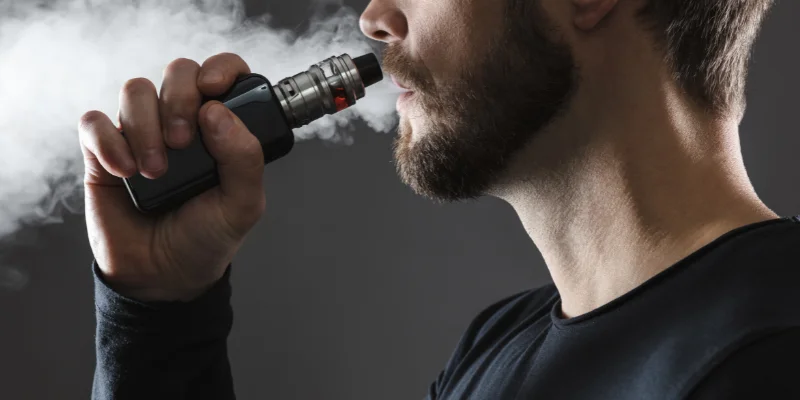
Lung cancer has long been linked to tobacco smoking, but many people now wonder whether e-cigarettes and lung cancer are also connected. Although vaping is often marketed as a “safer” alternative, e-cigarettes are not risk-free. The aerosol they produce contains harmful chemicals and some carcinogens in vape that may affect the lungs over time.
Current research is still evolving, but there is increasing concern about vaping lung cancer risk, alongside its broader impact on vaping and respiratory health.
What Are E-Cigarettes?
E-cigarettes were developed as a substitute for traditional cigarettes and have become a popular option for those trying to quit smoking. These devices heat a liquid (e-liquid) that typically contains nicotine, flavourings, and other chemicals and solvents.
The liquid is heated to form an aerosol that the user inhales. While levels of some toxins may be lower than in cigarette smoke, there are still harmful chemicals in e-cigarettes that can irritate and damage lung tissue.
What Does Current Evidence Say About Vaping and Lung Cancer?
Research into ‘does vaping cause cancer’, especially lung cancer, is still ongoing because e-cigarettes have not been around as long as traditional cigarettes. However, several concerning findings have emerged:
Vape aerosols contain carcinogens such as formaldehyde, acetaldehyde, and certain nitrosamines.
Experimental studies show how vaping affects lung cells, including DNA damage, oxidative stress, and inflammation.
Early human studies suggest that long-term users may have an increased vaping lung cancer risk, though the exact level of risk is still being quantified.
Because of this, it is not yet possible to say precisely can vaping cause lung cancer over time, but there is enough concern for experts to advise caution and highlight e-cigarettes health risks, especially for young people and non-smokers.
Nicotine itself is not classified as a classic carcinogen, but ‘does nicotine vape cause cancer’ is still a valid question because nicotine can promote blood vessel growth (which may support tumour growth), encourage cell proliferation, and sustain addiction that keeps users exposed to other carcinogens in vape aerosols.
Health Risks Associated with Vaping
Even nicotine-free products are not harmless. The long-term effects of vaping are still being studied, but known and suspected risks include:
Airway inflammation and irritation.
Nicotine addiction and dependence (for nicotine-containing vapes).
Harm to lungs and heart.
Worsening of asthma or underlying lung disease.
Severe lung injury (e.g., EVALI).
Potential increase in cancer risk over time.
These risks highlight that vaping is not just a “harmless habit” and can have serious consequences for vaping and respiratory health.
Should Smokers Switch to Vaping?
Many people ask, “Is vaping safer than smoking?” or “Should smokers switch to vaping?” Traditional cigarettes are clearly and strongly linked to lung cancer and many other cancers; whereas e-cigarettes may expose users to fewer carcinogens than cigarettes, but they still contain harmful chemicals in e-cigarettes that can affect the lungs.
From a cancer-prevention perspective, the safest approach is not to smoke and not to vape.
How Vaping May Affect Lung Cancer Risk
Vaping may contribute to cancer risk through several mechanisms:
DNA damage in lung cells
Chronic inflammation of the airways
Oxidative stress from reactive chemicals
Exposure to formaldehyde, acetaldehyde, acrolein and other known or suspected carcinogens
Over years of repeated exposure, these changes may increase the risk of developing lung cancer, though the exact vaping lung cancer risk is still being studied.
Warning Signs of Lung Cancer You Should Not Ignore
Whether you smoke, vape, or have been exposed to second-hand smoke, it is important to recognise lung cancer symptoms from vaping or smoking early. Common warning signs include:
A chronic cough that does not go away
Repeated chest or respiratory infections
Coughing up blood or blood-streaked phlegm
Shortness of breath
Chest pain, especially when breathing or coughing
Hoarseness or voice changes
Unexplained fatigue or weight loss
If you notice these symptoms, especially with a history of smoking or vaping, seek medical evaluation promptly.
How to Reduce the Risk of Lung Cancer
You can lower your risk of lung cancer and other serious diseases by:
Stopping all tobacco and e-cigarette use.
Avoiding second-hand smoke and vape aerosol.
Reducing exposure to airborne pollutants and occupational chemicals.
Attending recommended health screenings, especially if you have a history of heavy smoking.
If you currently smoke, switching to vaping may reduce some risks but does not eliminate them. The ultimate goal should be complete cessation, not long-term dependence on either product.
When to See a Respiratory Medicine Specialist at Prince Court Medical Centre
If you have a history of heavy smoking with regular or long-term e-cigarette use, and experiencing persistent respiratory symptoms or any of the warning signs above, it is advisable to consult a respiratory specialist. The best time to detect potential problems, including early lung cancer, is before symptoms become severe.

At Prince Court Medical Centre in Kuala Lumpur, our respiratory medicine specialists offer:
Detailed assessment of your respiratory health
Lung function tests to evaluate breathing capacity
Imaging and other investigations when needed
Personalised advice on smoking and vaping cessation
Book an appointment today to protect your lung health and breathe easier.