Everything You Need to Know About Kidney Stones and How to Prevent Them
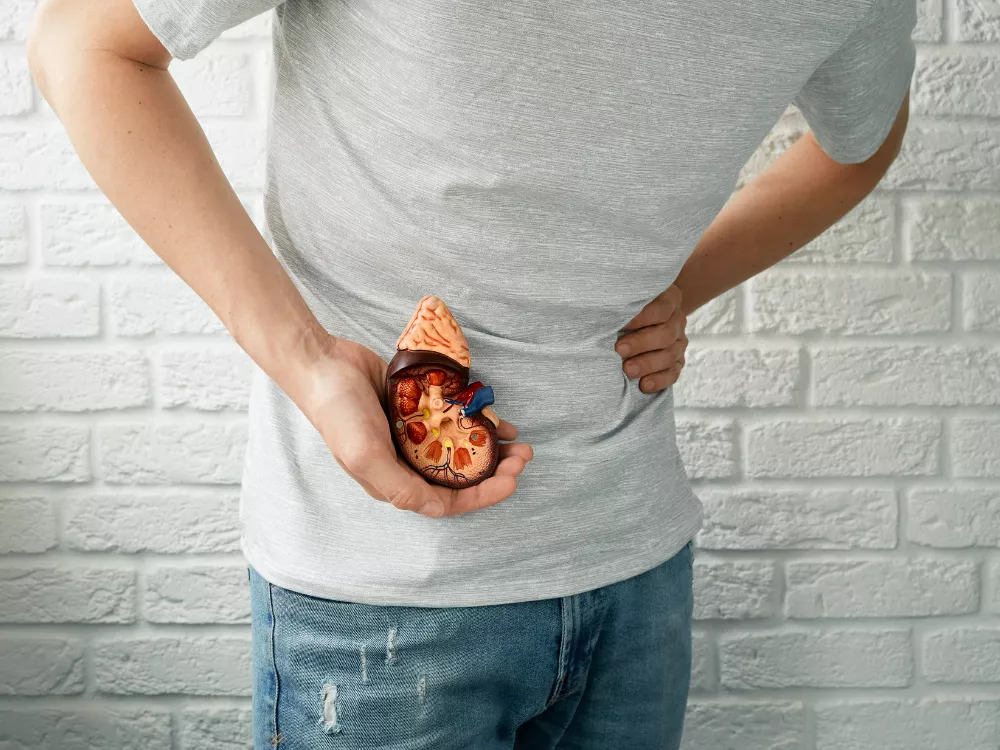
Kidney stones are hard, crystalline deposits that form within the kidneys or the ureter, the narrow tube that carries urine from the kidneys to the bladder. They form when the delicate chemical balance in the urine is disturbed, leading certain substances, such as calcium, oxalate, or uric acid, to concentrate and crystallise. Over time, these tiny crystals bind together and grow into larger stones of varying shapes and sizes.
Recognising the Symptoms of Kidney Stones
While small stones may pass through the urinary tract unnoticed, larger ones can become lodged along the way, obstructing urine flow and causing intense, sharp pain in the back, side, or lower abdomen.
The symptoms depend on the size and location of the stone in the urinary system. Typical symptoms include:
A sudden, sharp pain in the back, side or groin
Blood in the urine, causing the urine to appear red or brown, when a stone moves or lodges in the tract
Frequent urges to urinate, often with pain during urination
Nausea or vomiting, triggered by the intense pain
Fever and chills if a urinary infection develops due to the stone
If not treated promptly, kidney stones can lead to complications such as urinary tract infections (UTIs), persistent kidney obstruction, or kidney damage. In severe and untreated cases, they may also contribute to loss of kidney function. Early diagnosis and management are therefore essential to prevent complications and safeguard long-term kidney health.
How Do Kidney Stones Form
Stones form when substances like calcium, oxalate, and uric acid build up in the urine and crystallise. Factors that increase the risk include:
Not drinking enough fluids, which concentrates the urine and promotes stone formation.
A diet high in animal protein (meat and fish), which can raise uric acid levels.
Family history of kidney stones.
Certain medical conditions, such as high blood pressure (hypertension), diabetes, obesity, or impaired kidney function, can increase susceptibility.
How Are Kidney Stones Treated
Treatment depends on the stone’s size and the level of pain or blockage it causes. Options include:
Medication: Pain relief with non-steroidal anti-inflammatory drugs (NSAIDs); and medications like tamsulosin to help pass the stone.
Extracorporeal Shock Wave Lithotripsy (ESWL): Using shock-waves externally to break stones into smaller fragments so they can pass more easily in urine.
Percutaneous Nephrolithotomy (PNL): A minimally invasive surgical method where a small incision is made in the back to remove large stones directly.
Ureteroscopy: A thin scope is inserted via the urethra and bladder into the ureter or kidney, where the stone can be located and broken into smaller pieces or removed.
How to Prevent Kidney Stones
To reduce the risk of forming kidney stones:
Stay well-hydrated: Drink sufficient water so that your urine is not overly concentrated.
Watch your diet: Reduce foods high in oxalates (like certain nuts or vegetables), manage calcium intake sensibly, and avoid excessive salt.
Maintain a healthy lifestyle: Regular exercise and a healthy body weight help, especially in those already at risk.
Medication: May be prescribed for people with a history of kidney stones to reduce recurrence.
When to See a Urologist at Prince Court Medical Centre
At Prince Court Medical Centre in Kuala Lumpur, our experienced urologists provide comprehensive evaluation, imaging, and personalised treatment for kidney stones, from pain management to minimally invasive procedures and long-term prevention.
Book an appointment today to timely care and protect your kidney health.