Tuberculosis Symptoms: More Than Just a Cough. Early Warning Signs You Shouldn’t Ignore
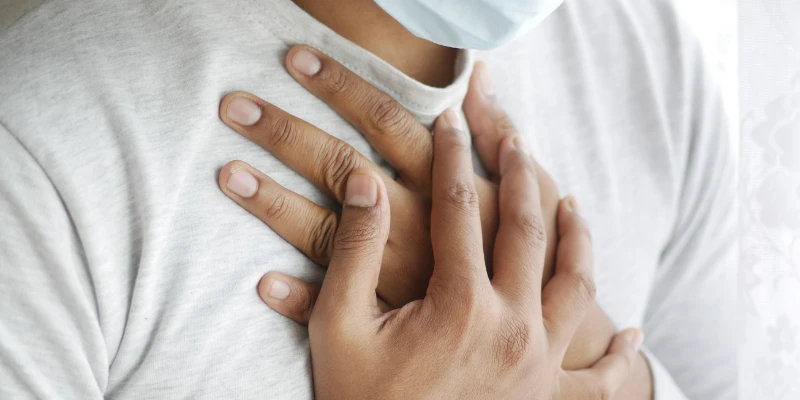
Tuberculosis (TB) is a bacterial infection caused by Mycobacterium tuberculosis. It primarily affects the lungs and spreads through airborne droplets when an infected person coughs, sneezes, or speaks.
TB remains a public health concern worldwide and in Malaysia. In the early stages, tuberculosis symptoms in adults are often mild and may be mistaken for common respiratory infections such as the flu. This can delay diagnosis and treatment.
Tuberculosis is treatable with early detection and proper medical care. Understanding the early signs of tuberculosis and recognising when symptoms should not be ignored can help ensure timely testing and treatment.
What Is Tuberculosis (TB)?
Tuberculosis (TB) is a bacterial infection that spreads through tiny droplets released into the air when a person with active TB coughs, sneezes, speaks, or laughs.
Tuberculosis most commonly affects the lungs. However, it can also affect other parts of the body such as the kidneys, spine, lymph nodes, and in rare but serious cases, the brain.
Some individuals carry the bacteria without developing symptoms. This condition is known as latent tuberculosis infection. Although people with latent TB do not feel sick and cannot spread the disease, the infection can later develop into active TB if the immune system becomes weakened.
What Are the Common Symptoms of Tuberculosis?
Tuberculosis (TB) symptoms often develop gradually. One of the most common warning signs of pulmonary TB is a persistent cough lasting more than two weeks, especially when accompanied by unexplained weight loss, night sweats, fever or fatigue.
Common tuberculosis symptoms include:
When Should TB Symptoms Be Checked?
You should consider getting tested for tuberculosis if you have a cough lasting more than two weeks, particularly if it occurs together with night sweats, unexplained weight loss, fever, fatigue or coughing up blood. Medical evaluation is also important if you have been in close contact with someone diagnosed with active TB.
Symptoms of Tuberculosis Outside the Lungs (Extrapulmonary TB)
Tuberculosis can sometimes spread beyond the lungs to other parts of the body. This condition is known as extrapulmonary tuberculosis.
Extrapulmonary TB may affect the lymph nodes, kidneys, liver, spine, or other organs. In rare but serious cases, the infection can affect the brain.
Symptoms may vary depending on the affected organ but often include:
How Long Does Tuberculosis Cough Last?
A common question people ask is how long a TB cough lasts. A persistent cough lasting longer than two weeks is one of the most common warning signs of tuberculosis.
If you are experiencing a persistent cough for more than two weeks, especially together with symptoms such as fever, night sweats, fatigue, or unexplained weight loss, you should consult a healthcare professional for further evaluation.
How Does Tuberculosis Spread and Is TB Contagious?
Tuberculosis is contagious. The infection spreads through airborne droplets when a person with active TB disease coughs, sneezes, speaks, or laughs.
Transmission usually occurs after prolonged close contact with someone who has active TB. Environments that are crowded or poorly ventilated increase the risk of infection.
However, TB does not spread through casual contact such as shaking hands, sharing utensils or drinking glasses, touching surfaces used by someone with TB, and using the same toilet.
Understanding how tuberculosis transmission occurs helps reduce unnecessary fear while encouraging appropriate precautions.
Who Is at Higher Risk of Developing Tuberculosis?
Certain individuals may have a higher risk of developing active tuberculosis. These include people who:
Have close contact with someone diagnosed with TB
Live in areas where TB infection is common
Work in healthcare or laboratory environments
Live or work in crowded group settings such as shelters or care facilities
Have weakened immune systems
Have chronic conditions such as diabetes or kidney disease
Have received an organ transplant
Use recreational drugs
People with weakened immune systems are more likely to develop active TB if they have been exposed to the bacteria.
When Should You Get Tested for Tuberculosis
If you have symptoms of tuberculosis or have been exposed to someone with the infection, your doctor may recommend TB testing.
Common tuberculosis tests include:
Chest X-ray
Sputum test to detect TB bacteria
Tuberculosis skin test (Mantoux test)
Blood test (IGRA test)
CT scan in certain situations
Early testing and prompt treatment greatly improve recovery and help prevent further transmission. TB screening and testing services are widely available in Malaysia, including at Prince Court Medical Centre in Kuala Lumpur, Malaysia.
Can Tuberculosis Be Cured?
Tuberculosis is curable with appropriate treatment. Treatment usually involves a combination of antibiotics taken over several months. Most people require at least six months of treatment to completely eliminate the bacteria.
It is important to complete the entire course of medication exactly as prescribed. Stopping treatment early can allow the bacteria to survive and may lead to drug resistant tuberculosis.
Regular medical follow up during treatment helps ensure the infection is fully treated and prevents complications.
How Can Tuberculosis Be Prevented?
While tuberculosis cannot always be prevented, several measures can reduce the risk of infection:
Early testing and treatment of active TB
Good ventilation in indoor environments
Wearing masks in high-risk settings
Screening for individuals with known exposure
When to See a Respiratory Medicine Specialist at Prince Court Medical Centre
If you or someone close to you is experiencing symptoms such as a persistent cough lasting more than two weeks, coughing up blood, unexplained weight loss, or night sweats, it is important to seek medical evaluation.
At Prince Court Medical Centre, our respiratory medicine specialists provide comprehensive assessment and TB screening. Contact Prince Court Medical Centre’s Accident & Emergency (A&E) Department at +603-2160 0999 for urgent cases.