How to Protect Yourself from Flu and Respiratory Infections During COVID-19 Variant Surges
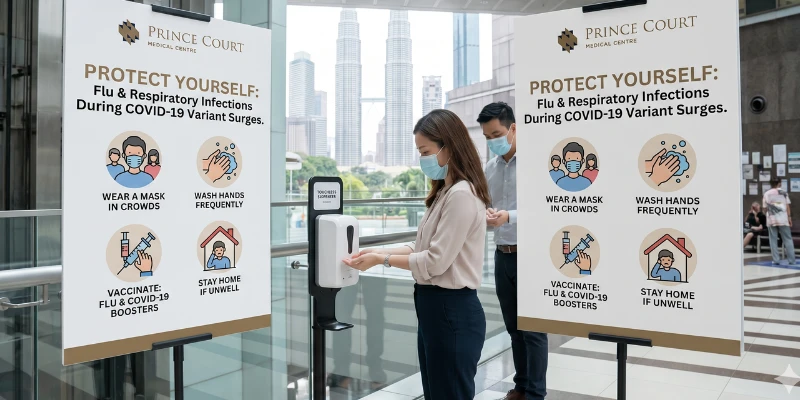
Both influenza (flu) and COVID-19 are contagious respiratory infections that can spread more easily during seasonal outbreaks and periods of increased community transmission.
As respiratory infections continue to circulate, many people are wondering how to protect themselves during COVID-19 variant surges and whether extra precautions are still necessary during flu season.
Understanding how these infections spread, recognising common symptoms, and practising preventive measures can help reduce the risk of illness and transmission.
Why Respiratory Infections Increase During COVID-19 Variant Surges
Respiratory viruses such as influenza and COVID-19 often spread more easily during seasonal surges, especially when people spend more time in crowded indoor environments or close contact with others.
New COVID-19 variants may also contribute to increased transmission because some strains can spread more efficiently than previous variants.
Many people ask how to avoid getting sick during virus surges and whether crowded places should be avoided during flu season.
Settings such as social gatherings, workplaces, schools, public transport, and large events may increase exposure to respiratory infections, particularly during festive seasons or travel periods when close contact becomes more common.
While it may not always be possible to avoid crowds completely, taking preventive measures can help reduce the risk of infection and transmission.
What Are the Common Symptoms of Flu and COVID-19?
It can sometimes be difficult to tell the difference between flu and COVID-19 because many symptoms overlap.
Both illnesses can range from mild to severe, and symptoms may vary from person to person depending on age, overall health, vaccination status, and the specific virus strain involved.
Symptoms That Often Overlap
Common symptoms seen in both flu and COVID-19 may include:
Fever
Sore throat
Cough
Fatigue
Headache
Runny or blocked nose
Some individuals may also experience chills or mild breathing discomfort.
Symptoms That May Differ
Although flu and COVID-19 share many similarities, certain symptoms may occur more commonly with one infection than the other.
Influenza is often associated with more sudden onset body aches, fever, and fatigue, while COVID-19 may sometimes cause loss of taste or smell, although this symptom may vary depending on the circulating variant.
Because symptoms can overlap significantly, testing may sometimes be necessary to confirm the cause of infection, especially in higher-risk individuals or those with worsening symptoms.
How Can You Protect Yourself During a COVID-19 Variant Surge?
Many people are asking how to reduce their risk of flu, COVID-19, and other respiratory infections during periods of increased community transmission.
While COVID-19 surges can be unpredictable, preventive measures can still help lower the risk of infection and reduce transmission to others.
Simple habits such as regular handwashing, avoiding close contact when unwell, and improving ventilation remain important ways to help reduce the spread of respiratory viruses.
Other practical ways to reduce your risk of infection include:
Keeping flu and COVID-19 vaccinations up to date.
Wearing a mask in crowded or poorly ventilated indoor spaces.
Practising regular hand hygiene and sanitisation.
Improving airflow and indoor ventilation.
Avoiding close contact with others when feeling unwell.
Maintaining good general health through adequate rest and hydration.
In general, travel during COVID-19 variant surges may still be possible if appropriate precautions are taken, particularly in crowded settings such as airports, public transport, or large gatherings.
Do Vaccines and Masks Still Work Against New Variants?
Vaccines and masks continue to play important roles in reducing the spread and severity of respiratory infections, including newer COVID-19 variants.
Although vaccines may not completely prevent infection, updated COVID-19 boosters and annual flu vaccinations may help reduce the risk of severe illness, hospitalisation, and complications.
Some individuals may benefit from receiving both flu and COVID-19 vaccinations, depending on age, medical history, and current health recommendations.
Although the flu vaccine does not protect against COVID-19 because the viruses are different, it may still help reduce the risk of influenza infection and complications during periods when multiple respiratory viruses are circulating.
Masks may still help reduce transmission of respiratory droplets and airborne particles, especially in crowded indoor environments or when community transmission is higher.
Who Should Take Extra Precautions?
While many healthy adults recover well from flu or COVID-19 infections, certain groups may be at higher risk of complications and should consider taking additional precautions during respiratory infection surges.
Higher-risk groups may include:
Older adults
Young children
Individuals with weakened immune systems
Pregnant women
Individuals with chronic medical conditions such as heart disease, lung disease, diabetes, or kidney disease
For these individuals, preventive measures and early medical attention may be especially important if symptoms develop.
What Should You Do If You Develop Symptoms?
If you develop symptoms of flu, COVID-19, or another respiratory infection, it is advisable to stay home, rest, and avoid close contact with others where possible to help reduce transmission.
Monitor your symptoms closely, particularly if you develop worsening fever, breathing difficulties, chest pain, dehydration, or persistent symptoms.
Seek medical advice if:
Symptoms worsen instead of improving.
Fever remains persistent.
You experience shortness of breath or chest discomfort.
You belong to a higher-risk group.
You are concerned about worsening respiratory symptoms.
When to See a Respiratory Medicine Doctor at Prince Court Medical Centre
If you or your loved ones develop symptoms of flu, COVID-19, or other respiratory infections, early medical assessment may help determine the appropriate care and treatment.
At Prince Court Medical Centre in Kuala Lumpur, our respiratory medicine specialists provide personalised assessments, diagnostic testing, and treatment plans tailored to your condition and overall health needs.
Book an appointment with our specialists if you are experiencing persistent cough, fever, breathing difficulties, or concerns during a respiratory infection surge.
For urgent symptoms such as severe breathing difficulty, chest pain, confusion, or worsening illness, please contact our Accident & Emergency (A&E) Department at +603-2160 0999.