When to Seek Treatment for Sciatica Nerve Pain
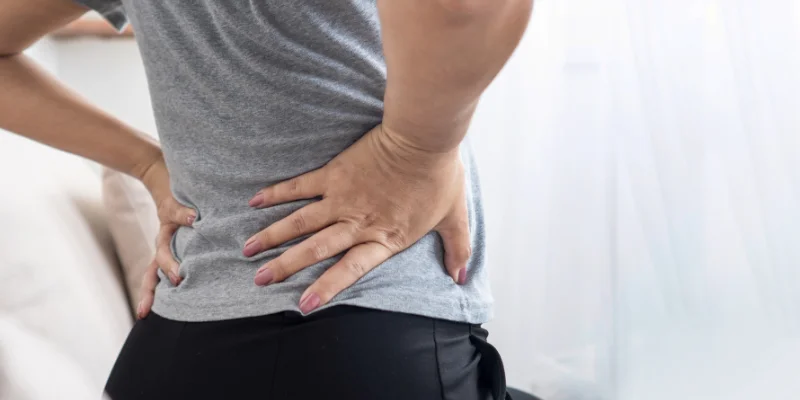
Sciatica refers to pain caused by irritation or compression of the sciatic nerve, the longest and largest nerve in the body. The sciatic nerve originates from several nerve roots in the lower spine (lumbar and sacral regions) and travels through the buttock and down the back of each leg.
This nerve provides sensation to the thigh, calf, foot, and toes, and also controls important muscles involved in walking and leg movement.
Sciatica itself is not a disease, but a symptom of an underlying spinal or muscular condition. When the nerve roots forming the sciatic nerve become compressed or inflamed, pain and neurological symptoms develop.
Many people experience improvement within four to six weeks, but symptoms may persist longer if nerve compression is severe or ongoing.
Symptoms of Sciatica
Sciatica usually affects one side of the body and may vary in intensity. Common symptoms include:
Pain radiating from the lower back to the buttock and down the leg
Sharp, burning, shooting, or electric-like pain
Tingling or “pins and needles” sensation
Numbness in the leg or foot
Muscle weakness
Difficulty standing, walking, or moving the affected leg
Symptoms often worsen with prolonged sitting, bending, coughing, or sneezing.
What Causes Sciatica?
Sciatica occurs when something places pressure on the sciatic nerve or its nerve roots. Common causes include:
Herniated (Slipped) Disc
A bulging or ruptured disc presses on nearby nerve roots, one of the most common causes of sciatica.
Degenerative Disc Disease
Age-related disc wear reduces cushioning between vertebrae, increasing nerve irritation.
Spinal Stenosis
Narrowing of the spinal canal compresses spinal nerves, often causing sciatica in older adults.
Spondylolisthesis
One vertebra slips forward over another, compressing nerve roots.
Piriformis Syndrome
A tight or inflamed piriformis muscle in the buttock presses on the sciatic nerve.
Tumours or Infections
Rarely, growths or infections may compress the nerve.
Lifestyle Contributors
Other contributing factors include prolonged sitting or poor posture, excess body weight, and lack of core strength.
Treatment Options for Sciatica
Most cases improve with conservative treatment, especially when addressed early.
Activity Modification
Staying gently active is encouraged. Prolonged bed rest can worsen stiffness and muscle weakness.
Pain Relief Measures
Warm compresses to relax tight muscles.
Non-steroidal anti-inflammatory drugs (NSAIDs), as advised by your doctor.
Short-term pain-relieving medications if needed.
Physiotherapy
Targeted physiotherapy helps reduce nerve irritation, improve flexibility and posture, strengthen core and back muscles, and prevent recurrence.
Injections
For persistent or severe pain, corticosteroid injections may reduce inflammation around the nerve.
Surgery
Surgery is considered only when conservative treatments fail, or when there is progressive weakness, loss of bowel or bladder control, and severe, persistent pain affecting quality of life.
Should You Rest or Exercise?
Gentle movement is usually better than complete rest.
Short rest periods may help during severe pain.
Prolonged bed rest (more than 1–2 days) is not recommended.
Guided exercises help speed recovery and prevent recurrence.
Always follow advice tailored to your specific condition.
Sleeping Positions for Sciatica
Supportive sleep positions can reduce nighttime discomfort:
When to Seek Urgent Medical Attention
Seek immediate care if sciatica is accompanied by:
Severe or worsening weakness
Numbness in the groin or genital area
Loss of bladder or bowel control
Fever or unexplained weight loss
These may indicate serious nerve compression requiring urgent treatment.
When to See an Orthopaedic Specialist at Prince Court Medical Centre
If your sciatica pain persists beyond a few weeks, worsens, or interferes with daily activities, early evaluation is recommended.

At Prince Court Medical Centre, our experienced orthopaedic specialists work closely with rehabilitation and physiotherapy teams to provide accurate diagnosis of the underlying cause, personalised non-surgical treatment plans, image-guided interventions when appropriate, surgical care when necessary, and structured rehabilitation for long-term recovery.
Book a consultation today for expert assessment and a comprehensive treatment plan tailored to your needs.