Bone Density and Bone Health: What You Need to Know About Screening and Prevention
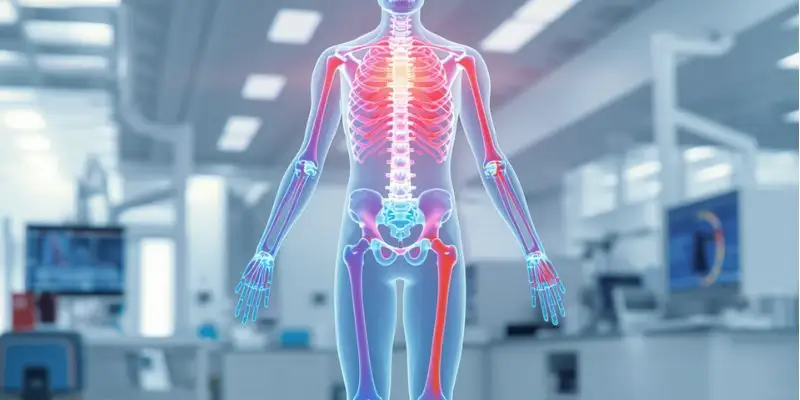
The skeleton forms the body’s essential support framework, protecting vital organs and enabling movement. Contrary to popular belief, healthy bones are not completely solid. They have a honeycomb-like structure with tiny microscopic spaces that make them both strong and flexible.
Poor nutrition and a sedentary lifestyle can lead to reduced bone density over time. As we age, bone loss naturally accelerates, increasing the risk of osteoporosis and fractures. The good news is that bone health can be maintained through healthy lifestyle choices and proper nutrition.
What Is Bone Density?
Bone density refers to the amount of mineral content within your bones and reflects how strong and dense they are. It can be compared to a sponge: the more empty spaces it contains, the weaker and less dense it becomes.
Bone density becomes increasingly important with age, as lower bone density is associated with a higher risk of fractures.
Several factors influence bone density, including age, gender, genetics, diet, and lifestyle habits.
How Is Bone Density Measured?
The most widely used test to assess bone density is the dual-energy X-ray absorptiometry (DEXA) scan, also known as a bone density test or bone density scan. This test uses low-dose X-rays to measure calcium and other minerals within the bones.
How Is a Bone Density Scan Performed?
A bone density scan is a straightforward and painless procedure.
You will be asked to lie flat on an X-ray table while specific areas of your body, usually the hip and spine, are scanned. In many cases, you may remain fully clothed, although any clothing or accessories containing metal will need to be removed. Depending on the area being examined, you may be provided with a gown.
During the scan, a scanning arm passes over the body, and a narrow beam of low-dose X-rays is directed through the targeted area. The entire procedure typically takes between 10 and 20 minutes, after which you may return home immediately.
Results are reported as T-scores and Z-scores. The T-score is the most commonly used measure, with lower values indicating reduced bone density and a higher risk of fracture.
A T-score between +1 and −1 is considered normal.
A T-score of −1 to −2.5 indicates low bone density (osteopenia).
A T-score of −2.5 or lower is consistent with osteoporosis.
Who Should Consider a Bone Density Test?
Bone density screening is generally recommended for women aged 65 and above, as this group is at higher risk of bone loss and fractures.
You may also be at increased risk and should consider a bone density test if you:
Are underweight
Have experienced fractures after the age of 50
Have noticed a height loss of half an inch or more within a year
Are a man aged 70 or older
Have a family history of osteoporosis
Lead a sedentary lifestyle
Smoke or consume excessive alcohol
Have inadequate calcium or vitamin D intake
Can Bone Density Be Improved or Maintained?
Bone health is important at every stage of life. Calcium plays a key role in maintaining strong bones and must be obtained through the diet.
Peak bone mass refers to the highest bone density achieved in early adulthood. While genetics largely determine peak bone mass, lifestyle factors such as diet and physical activity influence how close one comes to reaching this potential.
Weight-bearing activities, such as walking, jogging, dancing, hiking, stair climbing, and resistance training, help strengthen bones and slow bone loss. However, age-related bone loss cannot be completely reversed.
Individuals over 40 or those with existing medical conditions such as heart disease, diabetes, or obesity should consult a doctor before starting a new exercise programme.
Natural Ways to Improve Bone Density and Bone Health
Nutrition
Calcium is essential for bone strength and can be found in foods such as milk, yoghurt, cheese, tofu, soya beans, nuts, bread, and green leafy vegetables like broccoli and okra.
Vitamin D supports calcium absorption and is produced naturally through sunlight exposure. Dietary sources include egg yolks and oily fish such as salmon and mackerel.
Maintain a Healthy Weight
Body weight is closely linked to bone health. Both being underweight and excessively overweight can increase fracture risk. A balanced diet and healthy lifestyle help support optimal bone strength.
Strength and Weight-Bearing Exercise
Regular activities such as walking, dancing, or step aerobics, combined with strength training, help improve bone strength, balance, and overall mobility.
Quit Smoking
Smoking has been associated with reduced bone density and an increased risk of osteoporosis and fractures.
Limit Alcohol Intake
Excessive alcohol consumption can weaken bones and increase fracture risk over time.
When to See an Orthopaedic Specialist for Bone Health Assessment at Prince Court Medical Centre
If you have concerns about your bone health, risk factors for osteoporosis, or would like to assess your bone density, it is important to seek medical advice.
At Prince Court Medical Centre, our orthopaedic specialists provide comprehensive bone health assessments, including bone density testing, personalised guidance, and preventive care to support long-term bone strength.
Schedule a consultation with us today and take a proactive step towards protecting your bone health.