Preventing Falls and Fractures in Older Adults: DEXA Screening and Safety Tips for Seniors
Falls are a leading cause of fractures in older adults and pose a major health risk for seniors, particularly those aged 65 and above. Age-related physical changes, reduced balance, medication effects, and declining bone health all contribute to increased fall and fracture risk.
As such, fall prevention and early detection of bone loss are critical. Preventive care measures such as bone density testing (DEXA scans) play an important role in identifying osteoporosis early and reducing the risk of serious fractures in older adults.
Why Falls and Fractures Are a Serious Risk for Seniors
Falls are one of the most common causes of injury among adults over the age of 65. As people age, bone density, muscle strength, coordination, and balance tend to decline, increasing the likelihood of falls.
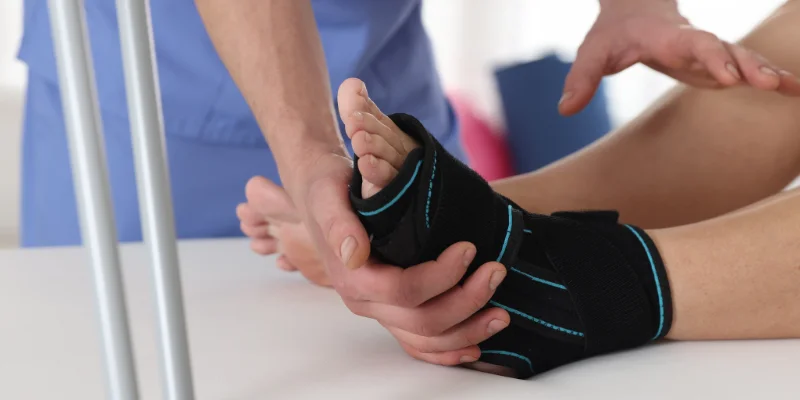
Fractures resulting from falls, particularly hip fractures in the elderly, can be life-threatening. Fragile bones caused by osteoporosis mean that even a low-impact fall can result in serious injury, prolonged hospitalisation, loss of independence, and increased mortality risk.
This is why fall prevention for older adults is a key component of healthy ageing.
Bone Health in Older Adults and Fracture Risk
Bone health naturally declines with age, increasing the risk of osteoporosis and fractures. Common signs of osteoporosis in older adults may include loss of height, a stooped posture, or persistent back pain, although many people have no symptoms until a fracture occurs.
Osteoporosis develops when bone breakdown occurs faster than new bone formation, causing bones to become weak and brittle. As a result, fractures can occur even after minor falls.
The most common osteoporosis-related fracture sites in seniors include:
What Is a DEXA Scan and Why It Matters
A DEXA scan (Dual-Energy X-ray Absorptiometry) is a bone density test that uses low-dose X-rays to measure the mineral content of bones. It is considered the gold standard for osteoporosis screening in seniors.
A DEXA scan helps to:
Because it is quick, non-invasive, and uses minimal radiation, DEXA screening is widely recommended for older adults at risk of fractures.
Causes and Risk Factors for Falls and Fractures in Seniors
Fall risk in seniors is influenced by a combination of medical, physical, environmental, and lifestyle factors. Understanding these factors allows for effective fall risk assessment for the elderly and targeted prevention strategies.
Health and Physical Factors
Common health-related factors that increase fall risk include:
Age above 65
Osteoporosis or osteopenia
Hormonal changes, including oestrogen loss in women
Muscle weakness and poor balance
Poor vision
Neurological conditions such as Parkinson’s disease
Vertigo or dizziness
Gait abnormalities
Thyroid disorders
Intestinal conditions affecting vitamin absorption
Environmental and Lifestyle Factors
Environmental hazards also play a major role in elderly fall risk, particularly at home. These include:
How Falls and Fractures Affect Health and Independence
Fractures following a fall can significantly affect an older adult’s quality of life. Many seniors experience loss of independence and may struggle to return to independent living after a serious fracture.
Common consequences include:
These challenges may lead to social withdrawal, isolation, and depression, particularly when mobility remains limited.
Practical Safety Tips to Prevent Falls at Home and Outdoors
More often than not, falls at home and outdoors for seniors can be prevented with proper care. Potential tripping hazards can be removed as well as adjustments to poor outdoor conditions such as wearing sensible footwear greatly reduces fall risk.
While there are many fall prevention programmes that focus on mitigating fall risk in Malaysia, here are some practical home safety tips for both seniors and their caretakers in reducing hazards in your immediate environment.
Home Safety Measures
Practical home safety tips for seniors include:
Keeping living spaces well lit.
Creating clutter-free walkways.
Removing loose rugs and cables.
Installing grab bars and non-slip mats in bathrooms.
Repairing uneven flooring.
Lifestyle, Exercise, and Health Strategies
Maintaining physical strength and balance is essential for preventing falls in seniors. Effective strategies include:
Regular balance and strength exercises.
Wearing supportive footwear.
Limiting alcohol consumption.
Scheduling regular vision checks.
Reviewing medications that may affect balance.
Using mobility aids when needed.
Muscle strength and fall prevention are closely linked, particularly in older adults.
When Should Seniors Get a DEXA Scan?
Regular bone density screening is recommended for seniors at risk of fractures. In general, the following groups should consider DEXA scan.
For most seniors, bone density tests are recommended every two years, although frequency may vary depending on individual risk factors. If you are asking, “Do I need a DEXA scan?”, an assessment by a healthcare professional is advised.
Is DEXA Screening Safe for Older Adults?
DEXA screening is generally considered safe for older adults. It is non-invasive and uses extremely low levels of radiation, which are less than one-tenth of the radiation exposure of a standard chest X-ray, thus making it suitable for routine osteoporosis screening.
When to Book a Bone Health or DEXA Screening at Prince Court Medical Centre
If you or a loved one are concerned about bone health, fall risk, or osteoporosis, early screening is strongly recommended. Book an appointment today and get in touch with us for a DEXA screening.
At Prince Court Medical Centre, our
orthopaedics specialists and
geriatric medicine specialists provide comprehensive bone density tests, bone health screening, and elderly fracture care in Malaysia. Early evaluation allows potential issues to be identified and managed before serious fractures occur, supporting safer ageing and long-term mobility.