Common Spine Conditions and Treatment Options for Long-Term Relief
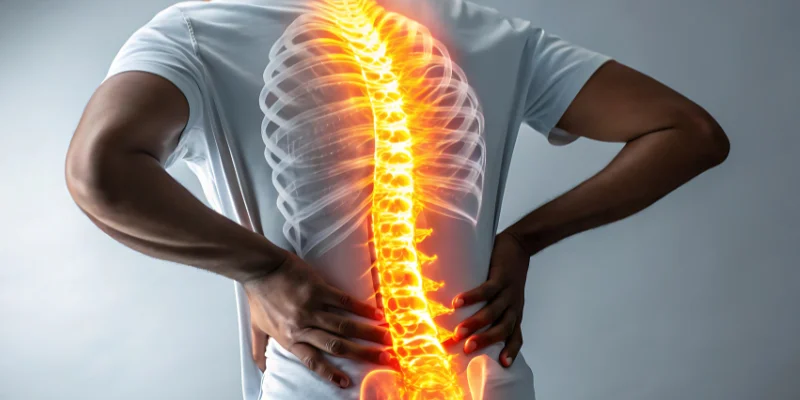
Maintaining a healthy spine is essential for everyday movement, posture, and overall quality of life. When spine conditions develop whether due to ageing, injury, or underlying disease, they can lead to persistent pain, stiffness, nerve-related symptoms, and limitations that affect daily activities.
Early diagnosis and appropriate treatment play a crucial role in relieving symptoms, preventing long-term complications, and supporting a return to comfortable, active living.
What Are Spine Conditions?
Spine conditions refer to disorders that affect the structure, alignment, or function of the spine. These conditions may involve the spinal discs, vertebrae, joints, ligaments, or surrounding nerves.
Some of the most commonly diagnosed spine conditions include:
Slipped Disc (Herniated Disc)
A slipped or herniated disc occurs when the outer layer of a spinal disc weakens, allowing the inner portion to protrude and press on nearby nerves. This can result in back pain, radiating leg pain, numbness, or weakness.
Herniated discs most commonly affect the lumbar spine (lower back) but can also occur in the cervical spine (neck).
Ankylosing Spondylitis
Ankylosing spondylitis is a form of inflammatory arthritis that primarily affects the spine and sacroiliac joints. Over time, it may cause chronic pain, stiffness, reduced spinal flexibility, and in advanced cases, fusion of spinal segments.
Scoliosis
Scoliosis is characterised by an abnormal sideways curvature of the spine. Depending on severity, it may affect posture, balance, and breathing, and in some cases, lead to back pain or functional limitations.
Lumbar Spinal Stenosis
Lumbar spinal stenosis occurs when the spinal canal in the lower back narrows, placing pressure on the spinal cord or nerve roots. Symptoms often include back pain, leg pain, numbness, weakness, or difficulty walking, especially over longer distances.
Degenerative Spondylolisthesis
This condition develops when one vertebra gradually slips forward over the one beneath it due to age-related degeneration of spinal joints and discs. It can cause back pain, nerve compression, and spinal instability.
When Is Treatment Needed?
The need for treatment depends on:
The type of spine condition
Severity of symptoms
Degree of nerve involvement
Impact on daily activities and quality of life
Treatment aims to relieve pain, restore function, improve mobility, and prevent further progression of the condition.
Non-Surgical Treatment Options
Initial management usually focuses on non-surgical approaches, especially when symptoms are mild to moderate.
Medications
Nonsteroidal anti-inflammatory drugs (NSAIDs) such as ibuprofen and naproxen are commonly used to reduce pain and inflammation. In some cases, muscle relaxants such as cyclobenzaprine may be prescribed to ease muscle spasms, particularly for short-term use at night due to their sedative effects.
Steroid Injections
Corticosteroid injections may be recommended to reduce inflammation and provide targeted pain relief, especially when nerve compression is present.
Physiotherapy
Under the supervision of a trained physiotherapist, patients may undergo structured exercise programmes to strengthen the back and leg muscles, improve flexibility, and enhance posture, all of which contribute to pain relief and better spinal support.
Surgical Treatment Options
Surgery may be considered when symptoms persist despite adequate non-surgical treatment, or when there is significant nerve compression, spinal instability, or deformity.
Spinal Fusion
A procedure that permanently joins two or more vertebrae to stabilise the spine. It is commonly used to treat conditions associated with painful movement, instability, or deformity.
Decompression (Laminectomy or Laminotomy)
These procedures relieve pressure on the spinal cord or nerve roots caused by spinal stenosis by removing portions of bone or soft tissue. This can significantly improve pain, numbness, weakness, and walking ability.
Discectomy
A discectomy involves removing the portion of a herniated disc that is compressing a nerve. It may be performed using an open or minimally invasive (keyhole) approach, depending on patient suitability.
When to Seek Orthopaedic Specialist Care at Prince Court Medical Centre
If you are experiencing persistent back pain, nerve-related symptoms such as numbness or weakness, or mobility limitations, early assessment is essential for achieving the best possible outcome.

At Prince Court Medical Centre, our experienced orthopaedic specialists provide personalised and comprehensive care, from accurate diagnosis to non-surgical management and advanced surgical treatment when required.
Book a consultation today to explore the most appropriate treatment options and take the first step toward an active, pain-free life.