Liver Cancer in Malaysia: Risks, Symptoms & Treatment Options
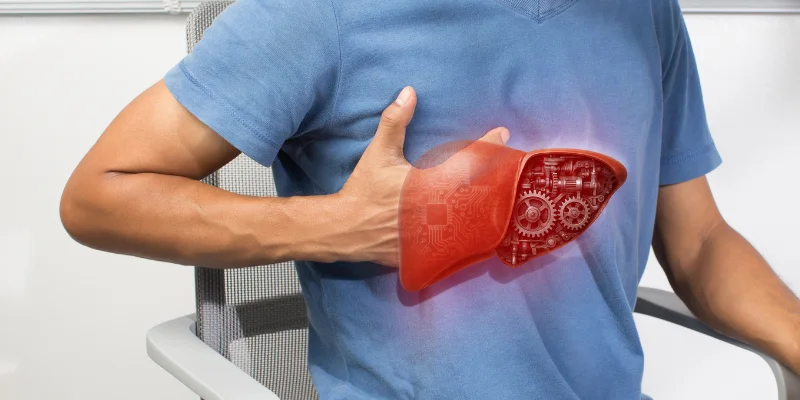
Your liver works quietly, tirelessly, and without complaint every single day. It is the largest internal organ in your body, sitting just beneath your right rib cage, and it plays one of the most critical roles in keeping you alive and well.
The liver produces bile to help digest fats and absorb essential nutrients. It filters toxins and chemical waste from your blood. It stores glucose so your body has a steady supply of energy. In many ways, the liver is your body’s own life-support system.
Which is why liver cancer can be so devastating.
In Malaysia, liver cancer is the fourth most common cancer and remains a major cause of cancer-related death. In 2022 alone, 2,363 new cases were reported, accounting for 4.6% of all cancer diagnoses nationwide.
Types of Liver Cancer
Liver cancer develops when liver cells begin to grow and multiply abnormally. Over time, these cancerous cells damage healthy liver tissue and interfere with the organ’s vital functions, often without causing obvious symptoms in the early stages.
Liver cancer is classified into two main types.
Primary liver cancer begins in the liver itself. The most common form is hepatocellular carcinoma (HCC).
Secondary (metastatic) liver cancer starts elsewhere in the body such as the colon, lungs, or breast, and spreads to the liver.
What Causes Liver Cancer and Who Is More at Risk?
In many cases, liver cancer develops after years of liver damage. Sometimes the exact cause is unclear, but the risk is strongly linked to conditions that place chronic stress on the liver.
Your risk is higher if you have:
Long-term hepatitis B or C infection
Liver cirrhosis or chronic hepatitis
Excessive alcohol consumption
Smoking
Diabetes, especially when associated with fatty liver
Metabolic Dysfunction-Associated Fatty Liver Disease (MAFLD)
Older age, particularly above 60
Inherited liver disorders such as Wilson’s disease or haemochromatosis
Over time, these conditions cause inflammation, scarring, and cell damage, creating the environment where cancer can develop.
Recognising the Warning Signs
Liver cancer is often called a silent disease because symptoms may not appear until the disease is advanced.
When symptoms do occur, they may include:
Unexplained weight loss
Pain or discomfort in the upper right abdomen
A firm lump under the right rib cage
Nausea or vomiting
Loss of appetite
Jaundice (yellowing of the skin and eyes)
Abdominal swelling
Persistent fatigue
Dark-coloured urine
If you experience any of these symptoms, especially with existing liver disease or hepatitis, it is important to seek medical advice promptly.
How Is Liver Cancer Diagnosed?
Diagnosis begins with a detailed clinical assessment, followed by blood tests and imaging studies.
Doctors may perform:
Blood tests, including alpha-fetoprotein (AFP), a tumour marker that may be elevated in liver cancer
Ultrasound scans to identify liver tumours
CT scans to determine tumour size and location
MRI scans for detailed liver imaging
Biopsy, where a small tissue sample is examined under a microscope
Together, these tests help confirm the diagnosis and guide treatment planning.
Treatment Options for Liver Cancer
Treatment depends on the stage of the disease, liver function, and overall health.
Surgery
If detected early, surgery may remove part of the liver (resection) or replace the entire liver through transplantation.
Chemotherapy and Chemoembolisation
Chemotherapy kills cancer cells. A specialised method called chemoembolisation delivers chemotherapy directly into the liver’s blood supply, slowing tumour growth when surgery is not possible.
Thermal Ablation
Heat-based treatments (radiofrequency or microwave) destroy cancer cells without surgery and are useful for patients who cannot undergo major procedures.
Targeted Medicines and Immunotherapy
These treatments target specific cancer mechanisms or strengthen the immune system to attack cancer cells.
Radiotherapy
Focused radiation, including selective internal radiation therapy (SIRT), delivers tiny radioactive beads directly to the tumour to slow its growth.
Palliative and Supportive Care
When cure is not possible, care focuses on comfort, symptom relief, nutritional support, and improving quality of life.
How You Can Reduce Your Risk of Liver Cancer
Protecting your liver protects your life.
Key preventive steps include:
Maintaining a healthy weight
Receiving the hepatitis B vaccination
Quitting smoking
Limiting alcohol intake
Preventing hepatitis C through safe practices
Undergoing regular liver screening if you are at high risk
Early detection dramatically improves treatment outcomes.
When to See an Oncologist at Prince Court Medical Centre

Liver cancer is serious, but it is also highly manageable when detected early.
At Prince Court Medical Centre, our experienced oncologists provide comprehensive care from screening and diagnosis to advanced treatment and long-term support.
If you have risk factors, symptoms, or concerns about your liver health, do not wait.
Contact us today to book an appointment and receive expert, personalised cancer care.