MAFLD in Men and Women - Prevention Tips for Metabolic Dysfunction-Associated Fatty Liver Disease
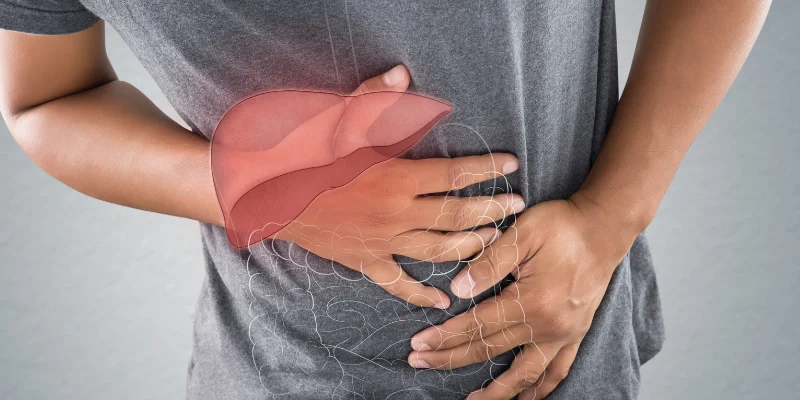
Metabolic Dysfunction-Associated Fatty Liver Disease (MAFLD) is now recognised as one of the most common liver diseases worldwide. Once known as NAFLD (non-alcoholic fatty liver disease), MAFLD better reflects the underlying metabolic dysfunction driving the condition.
As Malaysia continues to face rising rates of obesity, diabetes, and metabolic syndrome, MAFLD has become increasingly prevalent among adults and even younger individuals. Left untreated, it can progress to Metabolic Dysfunction-Associated Steatohepatitis (MASH), fibrosis, cirrhosis, or liver cancer.
The good news? MAFLD is largely preventable through dietary changes, lifestyle habits, and early detection.
What Is MAFLD (Metabolic Dysfunction-Associated Fatty Liver Disease)?
MAFLD occurs when excess fat builds up in the liver in the presence of metabolic dysfunction. Unlike the older NAFLD definition, MAFLD is diagnosed based on liver fat accumulation plus at least one metabolic risk factor, such as:
Because of this, MAFLD is strongly linked to metabolic syndrome, making it more common in individuals with unhealthy lifestyles or underlying chronic conditions.
How MAFLD Develops in the Body
The exact cause of MAFLD is still being studied, but several mechanisms contribute to fat accumulation and inflammation in the liver.
Common fatty liver risk factors include:
Being overweight or obese
Type 2 diabetes or elevated blood sugar levels
Insulin resistance
High triglycerides
Genetic predisposition
Sedentary lifestyle
Poor diet high in refined carbs and fats
These factors interfere with how the body processes and stores fat, causing liver fat buildup, inflammation, and sometimes progressive liver damage.
Does MAFLD Present Differently in Men and Women?
Yes. Research shows MAFLD in men and women can differ significantly due to hormonal, metabolic, and genetic influences.
Tend to accumulate more visceral fat, largely driven by testosterone
Higher early-life risk of MAFLD
More likely to progress to advanced fibrosis at younger ages
In women:
Premenopausal women benefit from estrogen’s protective effect, leading to milder liver inflammation
After menopause, MAFLD risk rises sharply
Women with PCOS have a significantly higher likelihood of developing MAFLD
Understanding these differences helps guide personalised prevention strategies.
Who Is at Higher Risk of Developing MAFLD?
You may have a higher risk of MAFLD if you are:
Over 50 years old
Living with type 2 diabetes
Diagnosed with high cholesterol or high triglycerides
A woman with PCOS
Living with metabolic syndrome
Experiencing insulin resistance
Diagnosed with:
People with multiple risk factors should undergo periodic liver health screening.
Common Signs and Symptoms of MAFLD
MAFLD is often silent, with many individuals showing no symptoms until liver damage progresses.
Possible early signs include:
If MAFLD progresses to MASH or cirrhosis, symptoms may include:
Itchy skin
Shortness of breath
Swollen legs or enlarged spleen
Abdominal swelling (ascites)
Spider-like veins on the skin
Jaundice (yellowing of skin and eyes)
Confusion or sleepiness (hepatic encephalopathy)
These symptoms indicate advanced liver disease and require urgent medical attention.
How MAFLD Is Diagnosed
Because MAFLD often has no symptoms, it is commonly detected during routine check-ups. Your doctor may recommend:
Blood tests: Liver function tests (ALT, AST), blood sugar, insulin, triglycerides
Imaging tests: Ultrasound, CT scan, MRI to help visualise fat accumulation in the liver
Liver biopsy: In selected cases, a biopsy may be performed to assess inflammation and fibrosis severity
Why Early Detection Matters
Without early intervention, MAFLD can progress to cirrhosis, a condition where severe scarring prevents the liver from functioning properly.
Untreated cirrhosis can lead to:
Fluid accumulation (ascites)
Bleeding from oesophageal varices
Confusion (hepatic encephalopathy)
Hypersplenism
Liver cancer
End-stage liver failure
Because MAFLD is reversible in its early stages, early detection is essential for preventing long-term complications.
Prevention Tips for Men and Women
MAFLD prevention focuses on improving metabolic health through sustainable lifestyle habits. These strategies support fatty liver prevention, reversing early disease and preventing progression.
1. Adopt a healthy, balanced diet
A fatty liver diet and lifestyle approach includes:
Plenty of vegetables, fruits, whole grains
Lean proteins and healthy fats (olive oil, nuts, fish)
Reducing refined sugar, sugary drinks, and white-carbohydrate foods
Limiting alcohol
Practising portion control
2. Maintain a healthy weight
Modest weight loss of 5–10% can significantly reduce liver fat.
3. Exercise regularly
Physical activity improves insulin sensitivity and reduces fat buildup. Aim for:
4. Manage chronic conditions
Control blood sugar, cholesterol, blood pressure, and hormone-related disorders with medical guidance.
5. Regular health screening
People with risk factors should undergo periodic liver tests for early detection.
When to See a Liver Specialist (Hepatologist) at Prince Court Medical Centre
If you suspect you are at risk of MAFLD, have abnormal liver test results, or want to protect your long-term liver health, seeking specialist evaluation is advisable.

At Prince Court Medical Centre, our experienced hepatologists and liver specialists diagnose and manage a wide range of liver disorders, including MAFLD / MASH, Hepatitis B and C, cirrhosis, autoimmune liver disease, and complex metabolic liver disorders. We provide comprehensive assessment and personalised treatment plans based on your metabolic profile and liver status.
Book an appointment today to support your liver health and prevent long-term complications.