Malaysia Baby Vaccination Schedule: A Parent’s Guide to the National Immunisation Programme
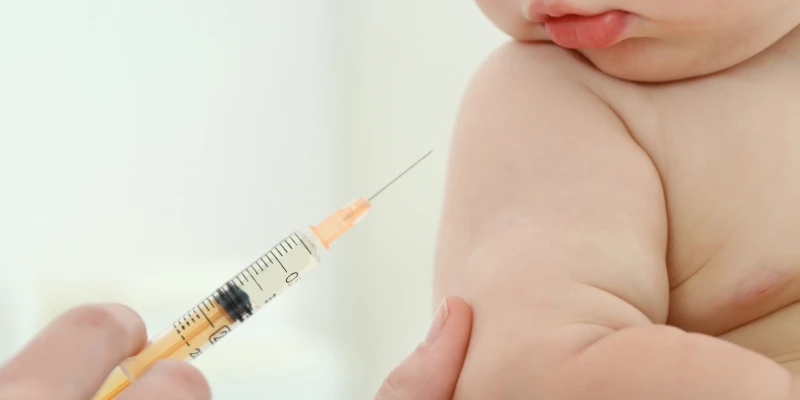
Childhood vaccination plays a vital role in protecting babies and young children from serious infectious diseases. In Malaysia, the National Immunisation Programme (NIP) provides free vaccines for children from birth up to adolescence.
The Malaysia baby vaccination schedule outlines when each vaccine should be given to provide protection at the most critical stages of development.
In this guide, we explain how the National Immunisation Programme works, what vaccines your child will receive, and why following the recommended schedule is important for your child’s health.
What Is the National Immunisation Programme in Malaysia?
The National Immunisation Programme (NIP) is a government-led initiative designed to protect children from serious vaccine-preventable diseases. The programme aims to increase herd immunity within the community by ensuring that children receive timely vaccinations.
Under the programme, children are vaccinated against diseases such as tuberculosis (TB), hepatitis B, diphtheria, tetanus, pertussis and polio, which can cause severe illness, disability or death.
Following Malaysia’s recommended immunisation schedule helps ensure that children develop protection during the stages when they are most vulnerable.
Malaysia Baby Vaccination Schedule
What Vaccines Are Given and When?
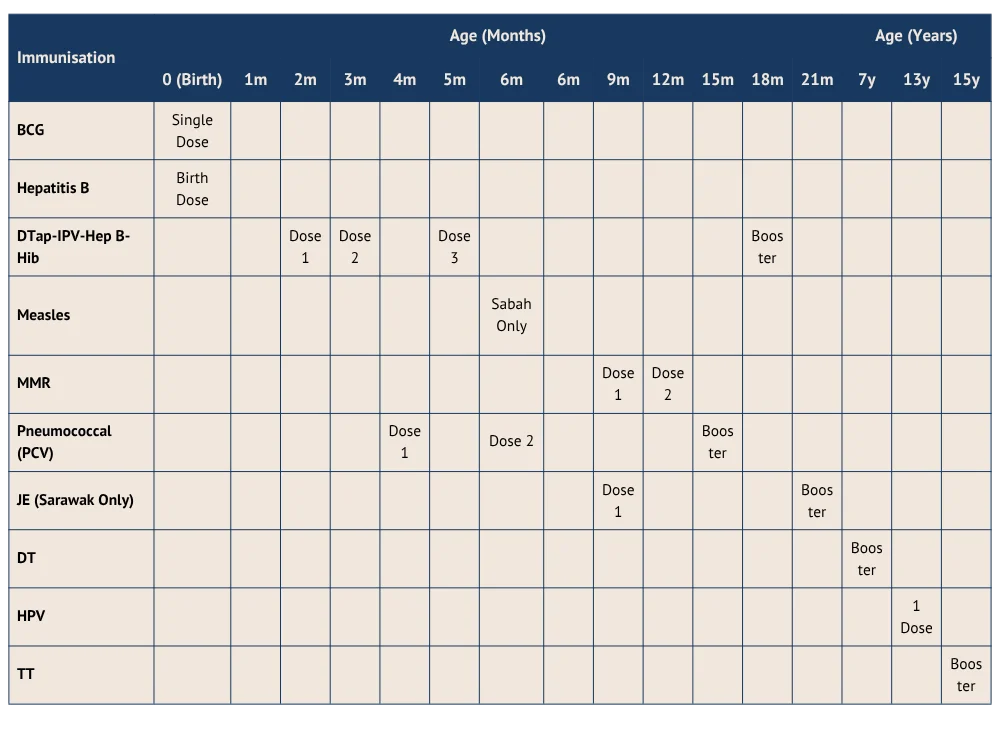
The Malaysia baby vaccination schedule begins at birth and continues throughout childhood and adolescence to ensure long-term protection against infectious diseases.
National Immunisation Schedule in Malaysia
At Birth
At birth, newborns receive their first protection against two serious infections:
BCG vaccine to protect against tuberculosis (TB)
Hepatitis B vaccine to protect against hepatitis B infection, which can cause chronic liver disease
2 to 6 Months
Between the ages of 2 to 6 months, babies receive several vaccines that protect against multiple infections during early infancy. These include:
DTaP-IPV-HepB-Hib combination vaccine (3 doses)
Pneumococcal conjugate vaccine (PCV) (2 doses)
Measles vaccine (Sabah only)
9 Months and Beyond
Between the ages of 9 to 21 months, children receive additional vaccines and booster doses to strengthen their immunity:
MMR vaccine (measles, mumps, rubella) (2 doses)
DTaP-IPV-HepB-Hib vaccine (1 booster dose)
Pneumococcal (PCV) vaccine (1 booster dose)
Japanese encephalitis (JE) vaccine (Sarawak only)
7 to 15 Years Old (Adolescents)
Between 7 to 15 years old, children receive:
DT vaccine (1 booster dose)
Tetanus (TT) vaccine (1 booster dose)
HPV vaccine (girls only) (1 dose)
What Each Vaccine Protects Against
The table below summarises the vaccines included in the National Immunisation Programme and the diseases they protect against.
Vaccine
What It Protects Against
BCG
Protects against tuberculosis (TB)
Hepatitis B
Prevents hepatitis B infection, which can damage the liver
DTaP-IPV-HepB-Hib
Protects against diphtheria, tetanus (lockjaw), pertussis (whooping cough), poliomyelitis (can cause paralysis), hepatitis B, and Haemophilus influenzae type b infections such as pneumonia and meningitis
MMR
Protects against measles (campak), mumps (beguk), and rubella
Pneumococcal (PCV)
Protects against severe pneumococcal disease caused by certain serotypes of the bacterium Streptococcus pneumoniae
HPV
Protects against human papillomavirus (HPV) infections linked to cervical cancer
DT
Protects against diphtheria and tetanus
TT
Protects against tetanus
Are Childhood Vaccines Safe?
Childhood vaccines are carefully tested for safety and effectiveness before they are approved for use. In Malaysia, vaccines used in the National Immunisation Programme undergo strict regulatory review and continuous monitoring.
Most children tolerate vaccines very well. Mild side effects may occur but usually resolve within a few days.
Common Side Effects
Vaccine side effects are usually quite mild, passing after several days. Here are the most common side effects:
Serious allergic reactions are extremely rare but require immediate medical attention.
Why Following the Immunisation Schedule Matters
The National Immunisation Programme schedule is designed to protect children during the stages when they are most vulnerable to infection.
As a child’s immune system is still developing, they are more susceptible to infections compared to adults. Vaccines help “teach” the immune system to recognise and fight specific diseases, helping to strengthen their natural defences.
Optional Vaccines
In addition to the vaccines included in the National Immunisation Programme, several optional vaccines may be recommended by paediatricians for additional protection depending on the child’s health and risk factors.
Rotavirus - protects against rotavirus infection
Influenza - protects against influenza (flu) infection
Meningococcal - protects against meningococcal disease, including meningitis
Hepatitis A - protects against hepatitis A infection
Varicella (Chickenpox) - protects against chickenpox infection
COVID-19 - protects against COVID-19 infection
Dengue - helps prevent dengue fever
Vaccination Services at Prince Court Medical Centre
At Prince Court Medical Centre, our experienced paediatricians provide vaccination services based on Malaysia’s National Immunisation Programme as well as additional recommended vaccines for children.
Book an appointment today and our team will guide you on the appropriate vaccination schedule to ensure your child receives timely protection against preventable diseases.
Reviewed by Dr Agnes Tan Sun Mee