Yes, Male Breast Cancer Is a Thing
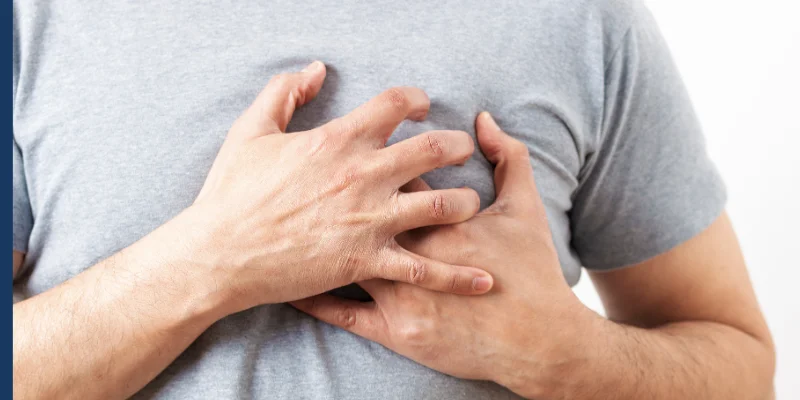
What if everything you know about breast cancer is not 100% true? Most have the misconception that breast cancer is a “women-only disease,” which is only partially true, as breast cancer mainly affects women. As a man, discovering a lump in your chest or armpit can be a shocking or terrifying experience if you have no awareness of male breast cancer. This can potentially lead to you shrugging the symptom off and a delayed diagnosis, causing treatment to be more complicated. Men, let it be your father, son, other relatives, or even friends, should be well equipped with sufficient knowledge they need to protect themselves from male breast cancer.
General overview of male breast cancer
Did you know that men have a minimal quantity of breast tissue that can become malignant, similar to women, although this occurrence is a lot less common? Male breast cancer is rare and only occurs in 1% of all breast cancers, which amplifies the importance of its reality and potential. What is unfortunate about male breast cancer is that these cases are usually diagnosed way too late and have high mortality rates. However, the survival between men and women with breast cancer is similar stage for stage.
What are the risk factors of male breast cancer?
Multiple risk factors can increase a man’s chance of developing breast cancer. However, one should also take note that having risk factors does not mean you will develop breast cancer. While some risk factors cannot be changed, some can be changed through lifestyle choices.
Notable risk factors of male breast cancer
Ageing: The older you get, the higher the risk of breast cancer. The majority of breast cancers are found after age 50.
Genetic mutations: Inherited mutations (changes) in specific genes, like BRCA1 and BRCA2, increase breast cancer risk.
Family history of breast cancer: If a close family member has experienced breast cancer, a man's risk for breast cancer is increased.
Certain conditions: Liver disease or scarring (cirrhosis) of the liver can reduce androgen levels and increase men’s oestrogen levels, elevating the risk of breast cancer.
Klinefelter syndrome: A rare genetic condition in which a male has an additional X chromosome that can cause the body to make increased levels of oestrogen and decreased levels of androgens (hormones that help develop and keep male sex characteristics).
Overweight and obesity: Older men who are overweight or obese have an increased risk of developing breast cancer compared to men at a healthy weight.
What are the symptoms of male breast cancer?
Most people shrug off or procrastinate seeing a doctor if they feel unwell, and this behaviour should never be normalised. This is how certain conditions exacerbate, leading to a challenging treatment journey. The symptoms of male breast cancer do not differ too much compared to female breast cancer, and it is important to check your chest frequently to know what is normal for you. Here are the main symptoms of male breast cancer:
Finding a lump or swelling in your chest or armpit.
Liquid (nipple discharge) leaks from your nipples, which may have blood in it.
Either side of your chest shows changes in terms of size or shape.
Sores or ulcers on your chest.
Your nipple may change in terms of shape or appearance, such as turning inward (inverted nipple) or developing a rash (which may resemble eczema).
Symptoms of secondary breast cancer
Secondary breast cancer occurs if breast cancer has spread to other parts of the body. The symptoms vary depending on which body part the cancer has spread to, and spreading to any part of the body is possible—but it most commonly affects the bones, liver, lungs, or brain.
You may also experience these general symptoms, such as:
Feeling tired or having no energy.
Loss of appetite or unexplained weight loss.
Feeling unwell with no clear cause.
Feeling or being sick.
Having difficulties sleeping.
When should I see a doctor for male breast cancer?
You should see a doctor when any of the symptoms mentioned above start showing to ensure an early diagnosis and a smooth treatment journey. However, do keep in mind that despite the symptoms, it does not mean that you have breast cancer. For example, some of the symptoms, including lumps, are common and can be caused by other conditions.
What are the treatment options for male breast cancer?
Treatment for male breast cancer is similar to that for women; it depends on the size of the tumour and how far it has spread. Treatment options may include surgery, chemotherapy, radiation therapy, hormone therapy, and targeted therapy.
Can male breast cancer be prevented?
Yes, you can reduce your risk of developing male breast cancer. If multiple family members of yours have experienced breast or ovarian cancer, or any one of your family members has a known BRCA1 or BRCA2 mutation, consult your doctor about it. Your doctor may recommend you for genetic counseling. Mutations in the BRCA1 and BRCA2 genes in men can elevate the risk of breast cancer, high-grade prostate cancer, and pancreatic cancer.
If genetic testing reveals that you have a BRCA1 or BRCA2 gene mutation, your doctor will tell you what you should do to detect cancer early, if you get it.
Male breast cancer awareness starts today!
There is no shame in opening up to family, friends, and your doctor if you realise any breast cancer-related symptoms as a man. Remember to see a doctor if you spot any physical changes or feel unwell, so you will be able to receive timely treatment for breast cancer or other health conditions.
At Prince Court Medical Centre, we provide a comprehensive approach to breast health. Through consultation, examination, imaging, and hormone testing, our specialists ensure accurate diagnosis and personalised treatment planning for each patient.
You will be cared for by our dedicated team in breast and endocrine surgery, as well as plastic and reconstructive surgery. As Kuala Lumpur’s premier hospital, Prince Court Medical Centre is here to support you at every step of your treatment and recovery journey.