Fracture, Sprain or Dislocation: What to Do and When Surgery May Be Needed
After a fall, sports injury, or accident, it can be difficult to tell whether you have a fracture, sprain, or dislocation. These injuries can cause similar symptoms, including pain, swelling, bruising, and difficulty moving the affected area.
However, they affect different parts of the body and require different treatment approaches. A fracture involves a break in the bone, a sprain affects the ligaments that support a joint, and a dislocation occurs when a joint is forced out of its normal position.
Prompt medical assessment can help confirm the diagnosis, prevent complications, and support a safer recovery.
How Can You Tell the Difference Between a Fracture, Sprain and Dislocation?
Fractures, sprains, and dislocations can look and feel similar, especially immediately after an injury. In some cases, a severe sprain may feel like a fracture, and a dislocation may occur together with a fracture or ligament injury.
Feature
Stroke
Heart Attack
What happens
Blood flow to part of the brain is blocked or a blood vessel in the brain ruptures
Blood flow to part of the heart muscle is blocked
Common warning signs
Sudden facial drooping, arm weakness, speech difficulty, balance or vision problems
Chest pain or pressure, shortness of breath, and pain spreading to the arm, shoulder, neck, jaw or back
What to do
Seek emergency medical care immediately
Seek emergency medical care immediately
Common injury sites include the ankles, wrists, shoulders, knees, fingers, and elbows.
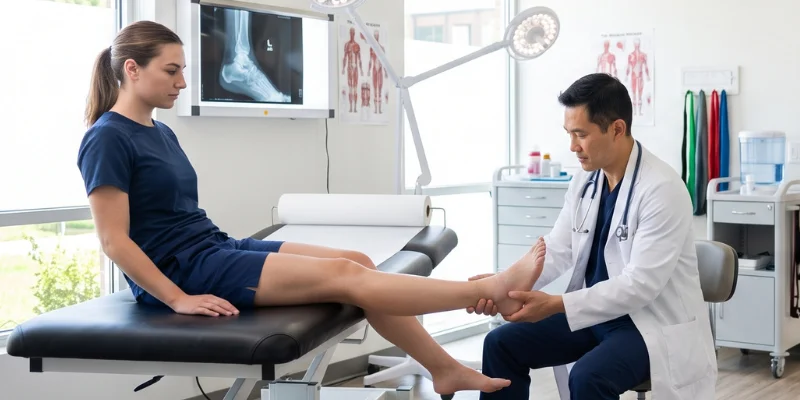
Because symptoms often overlap, imaging tests such as X-rays may be needed to confirm whether a bone is broken, a joint is dislocated, or soft tissues are injured.
What Are the Signs of a Fracture (Broken Bone)?
A broken bone, also known as a fracture, may occur after a fall, direct impact, twisting injury, sports accident, or road accident.
Possible signs of a fracture include:
Sudden, severe pain after injury
Swelling or bruising
Difficulty moving the affected area
Inability to bear weight
Tenderness over the bone
Visible deformity
Grinding sensation or abnormal movement
Pain that worsens with pressure or movement
Not all fractures cause obvious deformity. Some smaller fractures may still allow limited movement, which is why medical assessment is important if pain persists or worsens.
What Are the Signs of a Sprain?
A sprain occurs when a ligament is stretched or torn. Ligaments are strong bands of tissue that connect bones and help stabilise joints.
Common signs of a sprain include:
Sprains are common in the ankles, wrists, knees, and thumbs. Mild sprains may improve with rest and self-care, while severe sprains may require immobilisation, physiotherapy, or further orthopaedic assessment.
What Are the Signs of a Dislocation?
A dislocation occurs when the bones in a joint are forced out of their normal position. This can happen after a fall, collision, sudden twisting movement, or sports injury.
Possible signs of a dislocation include:
Severe joint pain
Visible change in joint shape
Inability to move the joint
Swelling or bruising
Numbness, tingling, or weakness
Feeling that the joint is out of place
A dislocated joint should be assessed urgently. Do not attempt to push the joint back into place yourself, as this may damage nerves, blood vessels, ligaments, or surrounding tissues.
What Should You Do Immediately After an Injury?
After an injury, stop the activity and protect the affected area from further damage.
For many minor soft tissue injuries, the RICE approach may help reduce pain and swelling in the early stage:
Rest: Avoid using the injured area.
Ice: Apply an ice pack wrapped in a cloth for short periods to reduce swelling and discomfort.
Compression: Use a bandage or support where appropriate, but avoid wrapping too tightly.
Elevation: Raise the injured area above heart level if possible.
If a fracture or dislocation is suspected, keep the area still and avoid unnecessary movement. Seek prompt medical attention for assessment and imaging if needed.
When Should You Go to the Emergency Department?
Some injuries require urgent medical attention, especially when a fracture, dislocation, nerve injury, or circulation problem is suspected.
Seek immediate care if you experience:
Severe pain
Significant swelling
Visible deformity
Inability to move the injured area
Inability to bear weight
Numbness, tingling, or loss of sensation
Pale, cold, or bluish fingers or toes
An open wound with visible bone or deep injury
Injury after a major fall, road accident, or high-impact trauma
Emergency assessment is also important if a joint appears dislocated. Prompt treatment can reduce pain, restore joint position safely, and lower the risk of complications.
When Does a Fracture or Dislocation Need Surgery?
Surgery may be considered when the injury is unstable, displaced, complex, or unlikely to heal properly on its own. Situations where surgery may be needed include:
An orthopaedic surgeon will recommend treatment based on the type, location, and severity of the injury, as well as your age, activity level, overall health, and recovery goals.
What Does Recovery Usually Involve?
Recovery after a fracture, sprain, or dislocation depends on the type and severity of the injury, the treatment required, your age, overall health, and how well the body heals.
Recovery may involve:
Rest and protection of the injured area
Immobilisation with a cast, brace, splint, or sling
Pain and swelling control
Follow-up imaging where needed
Physiotherapy to restore movement, strength, and function
Gradual return to daily activities, work, exercise, or sports
Returning to activity too soon may increase the risk of reinjury. Your doctor will advise when it is safe to resume normal movement, weight-bearing, exercise, or sports.
How Long Does It Take for a Fracture, Sprain or Dislocation to Heal?
Healing time varies depending on the injury. Mild sprains may improve within a few weeks, while more severe ligament injuries may take longer. Fractures commonly require several weeks to heal, depending on the bone involved and whether surgery is needed. Dislocations may require time for the joint and surrounding ligaments to recover, especially if there is associated soft tissue damage.
Because healing timelines differ for each person, follow-up appointments are important to monitor recovery and adjust the treatment plan where necessary.
Can Fractures, Sprains and Dislocations Be Prevented?
Not all injuries can be prevented, especially those caused by accidents or falls. However, reducing risk factors can help lower the chance of fractures, sprains, and dislocations.
Practical prevention measures include:
Strength training to support bones, muscles, and joints
Balance exercises, especially for older adults
Wearing proper footwear
Warming up before exercise
Using protective equipment during sports
Practising safe movement and lifting techniques
Maintaining bone health through appropriate nutrition and medical care
Taking fall-prevention measures at home
Older adults, people with osteoporosis, and individuals with previous injuries may benefit from additional assessment and prevention advice.
When Should You See an Orthopaedic Surgeon at Prince Court Medical Centre
You should seek medical attention if you experience significant pain, swelling, bruising, difficulty moving, or difficulty bearing weight after an injury.
At Prince Court Medical Centre, our orthopaedic surgeons team provide comprehensive assessment and treatment for fractures, sprains, dislocations, ligament injuries, sports injuries, and joint conditions. Treatment plans are personalised to each patient and may include non-surgical care, surgery where needed, and rehabilitation programmes to support recovery and long-term mobility.
Book an appointment today for an accurate diagnosis and personalised treatment plan.
Reviewed by Dr. Murali Govindasamy