Why Does Slipped Disc Pain Keep Coming Back? Causes, Flare-Ups and Treatment
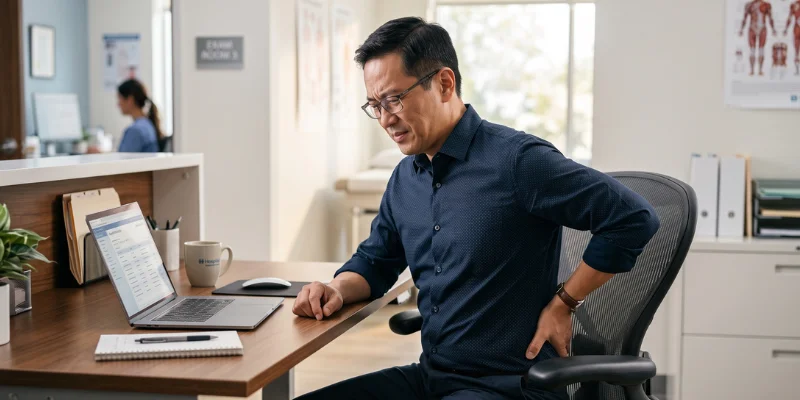
Many people assume that once a slipped disc has been treated, the problem is resolved for good. While many patients recover well, symptoms can sometimes return months or years later as flare-ups or recurring back, neck, arm, or leg pain.
Recurring pain does not always mean the disc has “slipped again” or that a new herniation has occurred. Symptoms may return because of ongoing nerve irritation, inflammation, muscle weakness, poor posture, repetitive strain, or other underlying spinal conditions.
Identifying the cause of recurring slipped disc pain is important so that the right treatment and rehabilitation plan can be recommended to reduce future flare-ups.
Can a Slipped Disc Heal and Then Come Back?
Yes, a slipped disc can improve or heal over time, especially with appropriate treatment, rehabilitation, and lifestyle changes. However, symptoms may return if the affected disc, surrounding joints, muscles, or nerves become irritated again.
A slipped disc, also known as a herniated disc, occurs when the soft inner part of a spinal disc pushes through its outer layer. This can irritate or compress nearby nerves, causing pain, numbness, tingling, or weakness.
Even after symptoms improve, the spine may remain vulnerable if the surrounding muscles are weak, movement patterns are poor, or repeated strain continues. This is why rehabilitation and long-term spine care are important after recovery.
Why Does Slipped Disc Pain Keep Coming Back?
Recurring slipped disc pain is often caused by a combination of factors rather than one single incident.
Common reasons include:
Ongoing inflammation around the affected disc or nerve
Weak core and back muscles
Poor posture
Prolonged sitting
Repetitive bending, lifting, or twisting
Poor lifting technique
Age-related changes in the spine
Reduced flexibility or spinal mobility
Incomplete rehabilitation after the first episode
Other spine conditions such as spinal stenosis or degenerative disc disease
In some cases, everyday movements may be enough to irritate the affected area, especially if the spine has not regained adequate strength and support.
Recurring symptoms should be assessed by a doctor if they are persistent, worsening, or affecting daily activities.
What Triggers a Slipped Disc Flare-Up?
A slipped disc flare-up occurs when symptoms return or worsen after a period of improvement. This may happen when the affected disc, nerve, or surrounding tissues become irritated again.
Common triggers include:
Most mild flare-ups improve with appropriate care. However, symptoms that are severe, worsening, or associated with weakness, numbness, or bladder and bowel problems require prompt medical attention.
Is It a Slipped Disc Flare-Up or Sciatica?
A slipped disc flare-up and sciatica can be related, but they are not exactly the same.
A slipped disc refers to a problem with one of the spinal discs. Sciatica refers to pain that travels along the sciatic nerve, usually from the lower back into the buttock, thigh, calf, or foot.
A slipped disc in the lower back is one possible cause of sciatica. However, sciatica can also be caused by other spine conditions, such as spinal stenosis, nerve compression, or degenerative changes.
Symptoms that may suggest nerve irritation include:
Pain that travels from the lower back into the leg
Numbness or tingling in the leg or foot
Burning or shooting pain
Weakness in the leg
Pain that worsens with sitting, coughing, or certain movements
A medical assessment can help determine whether symptoms are due to a slipped disc, sciatica, or another spinal condition.
When Is Recurring Back Pain More Serious?
Recurring back or neck pain is not always dangerous, but certain symptoms may suggest nerve compression or a more serious spinal condition.
Seek urgent medical attention if you experience:
New or worsening weakness in the arms or legs
Loss of bladder or bowel control
Numbness around the buttocks, groin, or inner thighs
Severe pain that does not improve with rest
Pain after a fall, injury, or accident
Fever with back pain
Unexplained weight loss
Difficulty walking or standing
These symptoms require prompt assessment to rule out serious complications and ensure timely treatment.
How Is Recurring Slipped Disc Pain Diagnosed?
Diagnosis begins with a review of your symptoms, medical history, previous treatments, and any changes in your pain pattern.
Your doctor may perform a physical examination to assess:
Range of movement
Muscle strength
Reflexes
Sensation
Nerve irritation
Walking pattern
Pain triggers
If symptoms are persistent, severe, or suggest nerve compression, imaging tests such as an MRI may be recommended. MRI scans can help identify disc herniation, nerve compression, spinal stenosis, degenerative disc disease, or other causes of recurring pain.
In some cases, additional tests may be needed to assess nerve function or rule out other conditions.
How Is Recurring Slipped Disc Pain Treated?
Treatment depends on the severity of symptoms, the cause of recurrence, and whether there is nerve compression.
Most cases can be managed without surgery, especially when symptoms are mild to moderate.
Treatment options may include:
Medication: Pain relievers, anti-inflammatory medication, muscle relaxants, or nerve pain medication may be prescribed to control symptoms.
Physiotherapy: Physiotherapy helps improve core strength, flexibility, posture, and movement patterns. It is often an important part of long-term slipped disc recovery.
Activity modification: Avoiding movements that worsen symptoms while gradually returning to safe activity can help reduce irritation and prevent prolonged stiffness.
Posture and ergonomic correction: Improving sitting posture, workstation setup, lifting technique, and daily movement habits can reduce strain on the spine.
Spinal injections: In selected cases, injections may be recommended to reduce inflammation around irritated nerves and relieve pain.
Surgery: Surgery may be considered if symptoms are severe, persistent, or caused by significant nerve compression that does not improve with non-surgical treatment.
Your spine specialist will recommend a treatment plan based on your symptoms, imaging results, overall health, and daily functional needs.
When Is Surgery Considered for a Recurring Slipped Disc?
Surgery for a recurring slipped disc may be considered when symptoms do not improve with non-surgical treatment, or when there is significant nerve compression causing persistent pain, weakness, numbness, or loss of function.
Surgical options may include procedures such as discectomy, where part of the herniated disc is removed to relieve pressure on the affected nerve.
Surgery may also be recommended more urgently if there are serious symptoms such as worsening weakness or loss of bladder or bowel control.
Even after surgery, maintaining spinal health remains important. Regular exercise, posture correction, weight management, and safe movement habits can help reduce the risk of future flare-ups.
How Can You Prevent Future Slipped Disc Flare-Ups?
Preventing future flare-ups requires consistent spine care rather than short-term fixes. The goal is to strengthen the muscles that support the spine, reduce unnecessary strain, and improve daily movement habits.
Practical steps include:
Strengthening the core, back, hip, and gluteal muscles
Practising good posture while sitting, standing, and walking
Using proper lifting techniques
Avoiding prolonged sitting without breaks
Maintaining a healthy weight
Staying physically active
Stretching tight muscles where appropriate
Setting up an ergonomic workstation
Following through with rehabilitation after symptoms improve
Exercises should be guided by a physiotherapist, especially if you have recurring pain or nerve symptoms. Doing the wrong exercises during an active flare-up may worsen irritation.
Can Slipped Disc Pain Be Managed Long Term?
Yes, many people with slipped disc pain are able to manage their symptoms and return to normal activities with the right treatment plan.
Long-term management usually involves a combination of:
The aim is not only to relieve pain, but also to improve function, reduce recurrence, and help patients move with greater confidence.
When Should You See an Orthopaedic Surgeon or Spine Specialist at Prince Court Medical Centre
You should consider seeing an orthopaedic surgeon or spine specialist if you experience persistent or recurring back pain, neck pain, arm pain, leg pain, numbness, tingling, or weakness.
Medical review is especially important if symptoms keep returning, affect your ability to work or move, or do not improve with rest, medication, or physiotherapy.
At Prince Court Medical Centre, our orthopaedic surgeons and spine specialists provide comprehensive assessment and personalised treatment for slipped disc, recurring back pain, nerve compression, sciatica, and other spinal conditions.
Book an appointment today with our specialists for an accurate diagnosis and a treatment plan tailored to your condition.