Baby Eczema: What Parents Should Know About Rashes, Triggers and Treatment
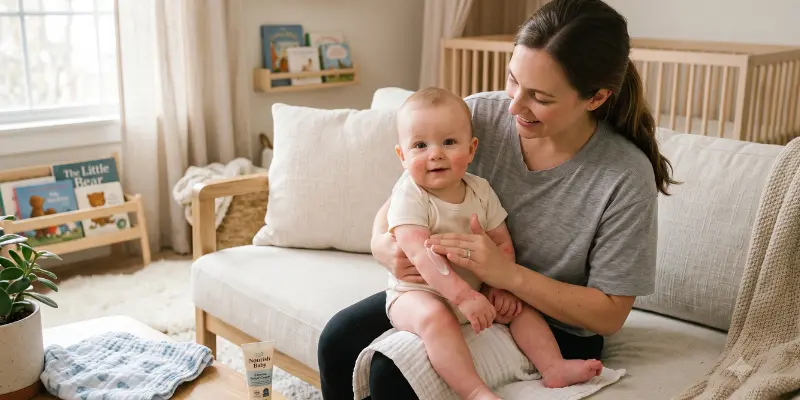
Dry, red, itchy, or sensitive skin is common during infancy. In many babies, these symptoms may be caused by baby eczema, also known as infant eczema or baby atopic dermatitis.
Baby eczema is not contagious, but it can cause discomfort, poor sleep, scratching, and repeated flare-ups if it is not properly managed. Recognising the signs early and using a consistent skincare routine can help soothe irritation, protect the skin barrier, and keep your baby more comfortable.
What Is Baby Eczema?
Baby eczema is a common inflammatory skin condition that causes patches of dry, itchy, red, or sensitive skin. It often appears in the first year of life, although some babies may develop signs earlier or later in childhood.
In babies, eczema commonly affects the cheeks, forehead, scalp, chin, and areas around the mouth. It may also appear on the arms, legs, body folds, or other areas of the skin
Baby eczema is usually linked to a weakened skin barrier and an overactive immune response. This makes the skin more sensitive to dryness, irritants, allergens, heat, sweat, and environmental changes.
There is currently no cure for eczema. However, many babies improve as they grow older, and symptoms can often be controlled with regular moisturising, trigger management, and appropriate medical treatment when needed.
What Does Baby Eczema Look Like?
Baby eczema may look different depending on your baby’s age, skin tone, and severity of the flare-up. Common signs of baby eczema include:
Dry, rough, or scaly patches
Red, inflamed, or darker patches of skin
Small bumps or raised rashes
Itchy skin
Crusting or oozing during more severe flare-ups
Skin that appears sensitive or easily irritated
In lighter skin tones, eczema may appear red or pink. In darker skin tones, it may appear darker brown, greyish, purple, or less visibly red.
Because baby eczema can resemble other rashes, such as heat rash, cradle cap, contact dermatitis, or infection, it is important to seek medical advice if the rash is persistent, worsening, or causing discomfort.
What Causes Baby Eczema?
Baby eczema usually develops due to a combination of genetic, immune, and environmental factors. It is not caused by poor hygiene and it cannot spread from one baby to another.
Many babies with eczema have a weaker skin barrier. This means their skin loses moisture more easily and becomes more vulnerable to irritants, allergens, and dryness.
In some children, changes in a skin barrier protein called filaggrin may make the skin more prone to dryness and irritation. A family history of eczema, asthma, hay fever, or allergies may also increase the likelihood of developing baby eczema.
What Can Trigger Eczema Flare-Ups?
Each baby’s skin is different, so triggers can vary from one child to another. Identifying and reducing common triggers can help prevent flare-ups.
Common baby eczema triggers include:
Dry air, heat, sweating, or sudden temperature changes
Fragranced baby wipes, lotions, shampoos, soaps, and bubble baths
Harsh laundry detergents or fabric softeners
Rough fabrics such as wool or certain synthetic materials
Dust mites, pet dander, pollen, or mould
Saliva around the mouth and chin
Viral infections such as colds
Scratching, which can further irritate the skin
Parents do not need to remove every possible trigger at once. A doctor can help identify likely triggers based on the location, pattern, and severity of your baby’s eczema.
Can Food Cause Baby Eczema?
Food allergies are not the main cause of most baby eczema cases. However, some babies may have both eczema and food allergies, and the two conditions can sometimes occur together.
A food allergy may be suspected if eczema flare-ups are accompanied by symptoms such as hives, facial swelling, vomiting, diarrhoea, wheezing, or reactions that occur soon after eating a particular food.
Parents should not remove major foods from a baby’s diet without medical advice, as unnecessary food restriction may affect nutrition and growth. If a food allergy is suspected, a paediatrician or allergy specialist can advise whether allergy testing or dietary changes are needed.
How Is Baby Eczema Diagnosed?
Baby eczema is usually diagnosed through a medical history review and physical examination. The paediatrician may assess:
The appearance and location of the rash
How long the symptoms have been present
Whether the skin is itchy, dry, or inflamed
Possible triggers
Family history of eczema, asthma, hay fever, or allergies
Whether there are signs of infection
Allergy testing is not routinely needed for every baby with eczema. It may be recommended in selected cases, such as when a food allergy is suspected or when eczema is severe, persistent, or difficult to control.
How Is Baby Eczema Treated?
Baby eczema treatment focuses on reducing itch, repairing the skin barrier, controlling inflammation, and preventing future flare-ups.
Management may include:
Regular moisturising
Apply a fragrance-free moisturiser or emollient regularly, especially after bathing, to help lock moisture into the skin and protect the skin barrier. Moisturisers are a key part of eczema care and are recommended for babies with dry, itchy eczema.
Gentle bathing habits
Use lukewarm water and avoid long, hot baths. Choose mild, fragrance-free cleansers and apply moisturiser immediately after bathing.
Avoiding irritants
Avoid fragranced skincare products, harsh soaps, bubble baths, and irritating fabrics where possible. Choose soft, breathable clothing and gentle laundry products.
Topical corticosteroids during flare-ups
If eczema is inflamed or itchy, a doctor may prescribe a suitable topical corticosteroid cream or ointment. These medications help reduce inflammation and itching and should be used as directed by a healthcare professional.
Additional treatment when needed
If eczema is severe, infected, or not improving with usual care, your doctor may recommend additional treatment or refer your baby to a paediatrician or dermatologist.
Can Baby Eczema Be Prevented?
Baby eczema cannot always be prevented because genetics and skin barrier function play an important role. However, consistent skincare may help reduce dryness and lower the risk of flare-ups.
Parents can support their baby’s skin by:
Moisturising regularly
Using fragrance-free skincare products
Avoiding harsh soaps and bubble baths
Keeping the baby cool and comfortable
Dressing the baby in soft, breathable fabrics
Managing known triggers where possible
Following the doctor’s treatment plan during flare-ups
Will My Baby Outgrow Eczema?
Many children experience significant improvement as they grow older, and some may eventually outgrow eczema. However, others may continue to have eczema into later childhood or adulthood, with symptoms that flare up from time to time.
Even if symptoms improve, regular moisturising and trigger management can help protect the skin and reduce future flare-ups.
Can I Bathe My Baby During an Eczema Flare-Up?
Yes. Babies with eczema can usually be bathed during flare-ups, as long as bathing is gentle and followed by moisturising.
Use lukewarm water, keep baths short, and avoid fragranced bath products. After bathing, gently pat the skin dry and apply a fragrance-free moisturiser while the skin is still slightly damp.
If your doctor has prescribed an eczema cream or ointment, use it according to the instructions given.
Is Baby Eczema Contagious?
No. Baby eczema is not contagious. It cannot spread through skin contact, sharing toys, using the same towels, or close interaction with other children. Eczema is related to skin barrier function and immune response, not an infection.
What Is the Best Cream for Baby Eczema?
There is no single best cream for baby eczema because each baby’s skin is different.
For most babies, fragrance-free moisturisers or emollients are the foundation of eczema care. They help restore the skin barrier, reduce dryness, and support longer-term control.
During flare-ups, a doctor may prescribe medicated creams such as mild topical corticosteroids to reduce inflammation. These should be used only as directed, especially on delicate areas such as the face or skin folds.
When Should Parents Bring Their Baby to See a Paediatrician for Eczema?
Parents should consider seeing a paediatrician or paediatric dermatologist if their baby’s eczema is persistent, frequently flares, or does not improve with regular skincare.
Medical review is especially important if:
The rash is severe or spreading
The baby is very uncomfortable or sleeping poorly
The skin is oozing, crusting, swollen, or painful
There are signs of infection
Eczema affects feeding, sleep, or daily comfort
A food allergy is suspected
Parents are unsure whether the rash is eczema or another skin condition
At Prince Court Medical Centre, our paediatricians and paediatric dermatologists provide detailed assessment and personalised care for baby eczema, helping parents manage symptoms, reduce flare-ups, and support their baby’s skin health.
Book an appointment with our specialists for an accurate diagnosis and treatment plan tailored to your baby’s needs.
Reviewed by Dr Agnes Tan Sun Mee